In a classroom filled with the sound of chalk on board, children’s voices reciting poems, and the hopeful hum of learning, something as small as a pencil can make all the difference. Yet, for millions of underprivileged children in India, the absence of basic school supplies, free uniforms, and other education essentials becomes an invisible wall between them and their right to dream.
We often view education as a book or a classroom, but the reality is more layered. True school readiness for children—especially those from disadvantaged communities—means having the tools, clothing, nutrition, and emotional safety to fully participate. It’s about dignity, equality, and the empowerment that comes from equal access to education.
This blog delves into the profound importance of providing stationery, books, uniforms, and supportive environments to underprivileged kids, while also highlighting the role of community-driven organizations like One Hand for Happiness, which work quietly but powerfully to bridge these gaps.
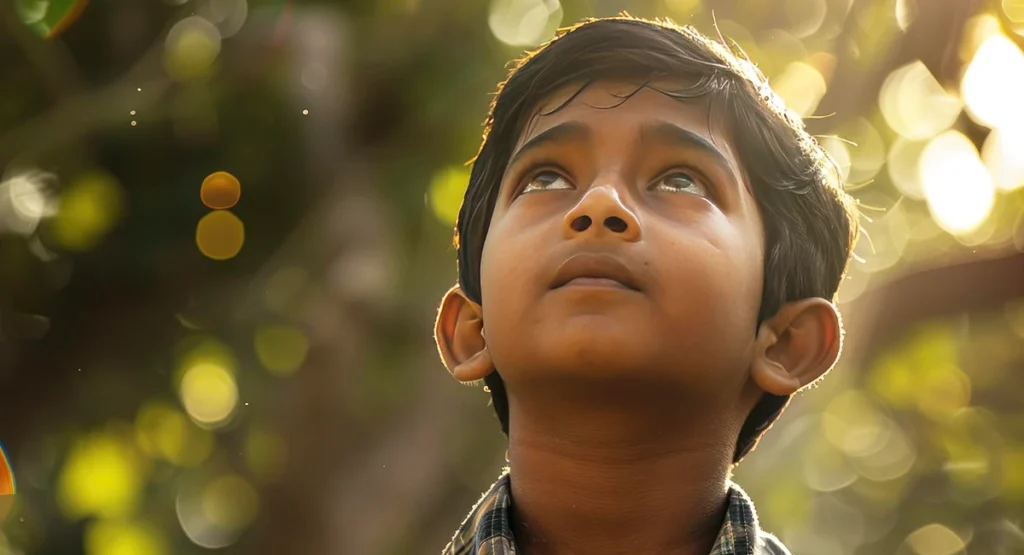
Education in India is technically free. But for families in urban slums and remote villages, the cost of “free” education can be overwhelming.
Imagine a child named Rani, 9 years old, living in a temporary settlement near Noida. Her school doesn’t charge a fee, but she needs:
For Rani’s parents, who earn less than ₹300 a day combined, these are luxuries. And so, Rani often misses school—not because she doesn’t want to learn, but because she doesn’t want to be mocked for wearing torn clothes or coming empty-handed.
This isn’t just Rani’s story—it’s the reality of millions of children across India.
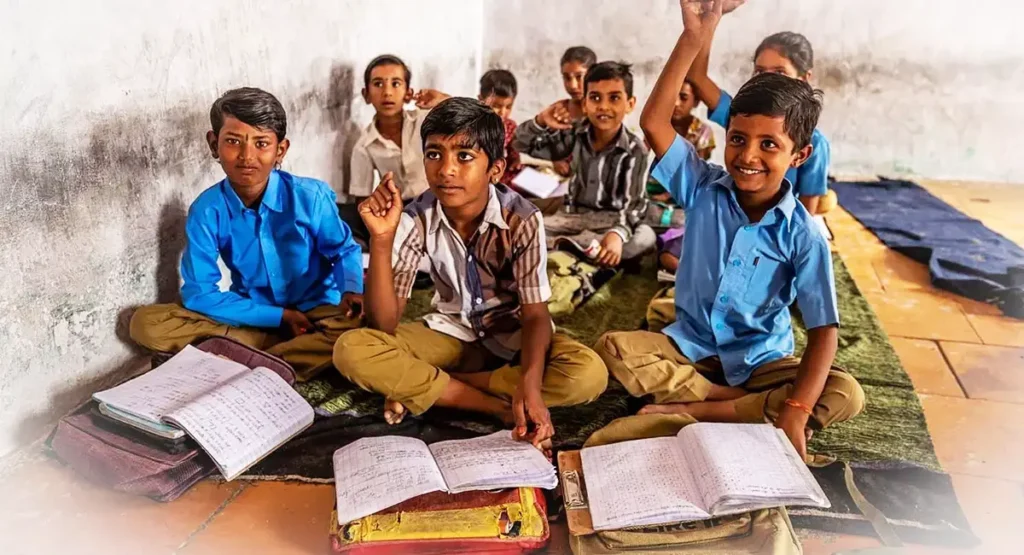
There’s a special kind of pride children feel when they open a fresh notebook, use a sharp pencil, or carry a school bag like their peers. It’s more than excitement—it’s a feeling of inclusion.
When you provide school supplies for children—books, pens, geometry boxes, and backpacks—you’re not just giving tools. You’re saying, “You belong here. You deserve this education as much as anyone.”
A report by Save the Children India revealed that 42% of underprivileged children drop out due to lack of study materials. When children are given stationery, their classroom engagement increases, and they are more likely to:
A school uniform is more than fabric. It represents unity, discipline, and identity. For children from low-income families, receiving a free uniform levels the playing field.
Uniforms help children feel:
Research shows that children who wear uniforms are less likely to feel stigmatized and more likely to attend school regularly. In slum areas where students might otherwise wear patched or soiled clothes, uniforms restore dignity and confidence.
One child said it best: “When I wear my uniform, I feel like I belong in school—not outside the gate.”
We often measure school readiness by a child’s age or pre-literacy skills. But true readiness includes:
Organizations working in child education support understand that without these, academic success is hard to sustain.
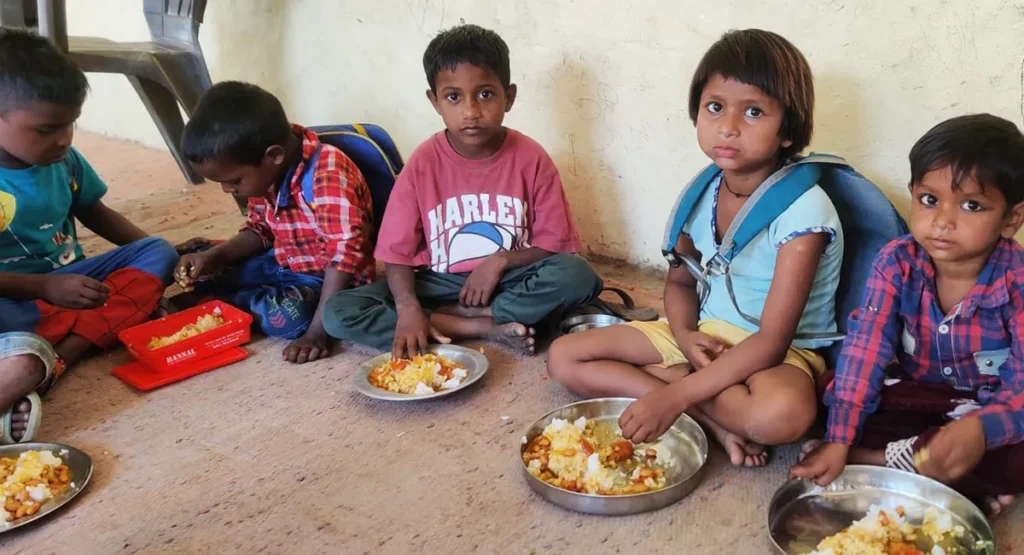
A child who is hungry cannot learn. Nutrition is one of the most powerful yet often overlooked education essentials.
Mid-day meal programs have proven time and again to improve attendance, classroom focus, and academic performance. Many NGOs not only provide meals but also incorporate nutrition education into their curriculum.
For example, children receiving daily hot meals show:
A simple khichdi or a boiled egg can fuel not just the body—but the brain.
The story of child education in underserved communities is incomplete without acknowledging the critical role women play.
When women understand the value of education, their children thrive. Many NGOs run awareness sessions for mothers, teaching them how to support their children’s learning, maintain hygiene, and understand school expectations.
A mother who believes in education is more likely to:
NGOs also train women in skills like tailoring, which enables them to sew school uniforms, repair bags, or even run after-school support centers. These activities not only boost household income but create a cycle of sustainable education support.
One Hand for Happiness empowers women in low-income communities by offering skill development workshops, giving them the tools to support both their children’s education and their own financial independence.
Arjun, 12, was once on the verge of quitting school to help his father sell vegetables. But after receiving a school kit—complete with a uniform, shoes, books, and stationery—his outlook changed. He now attends every day, and his teachers say he’s one of the most curious minds in the class.
That one donation box not only saved a school year—it may have altered a life’s trajectory.
These are the invisible victories of grassroots education support.
In areas where government support falls short, community NGOs fill the gap with compassion and practical help. Their work includes:
Organizations like One Hand for Happiness work quietly but meaningfully—ensuring that no child is left out due to poverty or lack of awareness.
They also advocate for systemic changes—like gender-sensitive teaching practices, increased school budgets for materials, and better integration of community voices in school decisions.
You don’t need a big bank account or a fancy title to make a difference. Here are ways anyone can support equal access to education:
Old or new books, unused stationery, school bags, water bottles, pencil boxes—anything helps.
Even ₹500 can buy a child a uniform or a week of nutritious meals.
Start a collection drive in your apartment complex, office, or school.
Spend a few hours tutoring, reading to children, or mentoring young girls.
Use social media or local community groups to raise awareness about the needs of underprivileged children.
Small actions lead to big transformations.
Education is not just a right—it’s a stepping stone to dignity, opportunity, and freedom. But for underprivileged children, the path to that freedom is paved not only with books but with uniforms, meals, encouragement, and community support.
By ensuring every child has access to education essentials, we’re not just changing one life—we’re strengthening society as a whole.
Behind every successful student is not just a teacher or a textbook—but a community that cared enough to provide the basics. When you give a notebook, you give a voice. When you donate a uniform, you offer a sense of identity. When you support a mother, you empower a future.Let’s build a world where every child is school-ready and dream-equipped—because the classroom should be a space of possibility, not poverty.

Leave A Comment