
In the narrow lanes of India’s bustling urban slums—often dismissed as chaotic or invisible—an extraordinary transformation is unfolding. Away from the boardrooms and televised debates on gender equity, underprivileged women, often migrants or daily wage laborers, are driving change at the grassroots level. These women are not waiting for saviors; they are becoming the change they wish to see, leading a silent yet powerful revolution.
This revolution is deeply rooted in three critical areas: education, nutrition, and empowerment. It is guided by resilience, shaped by hunger (literal and metaphorical), and sustained by community-driven initiatives—many spearheaded by passionate women and subtly supported by NGOs that understand the power of investing in women and children.
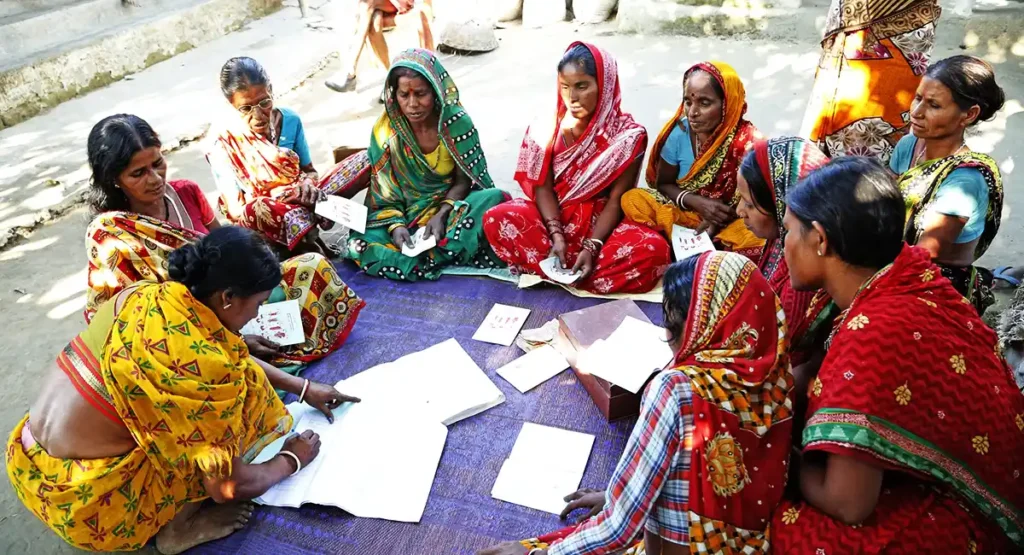
Life in urban slums like those in Noida, Delhi NCR, and Gurgaon is defined by insecurity—of tenure, employment, and identity. Women, particularly migrant women, bear the brunt of this instability. With limited access to education, healthcare, or legal protection, they are more vulnerable to poverty, violence, and exploitation.
According to a 2022 report by UN Women, over 60% of women in urban informal settlements in India have either never attended school or dropped out before completing secondary education. This lack of education not only limits their employability but also diminishes their voice in household and community matters.
Yet, something remarkable is happening. Through small steps—learning to read, forming self-help groups, sending daughters to school—women are reclaiming their rights, one life at a time.
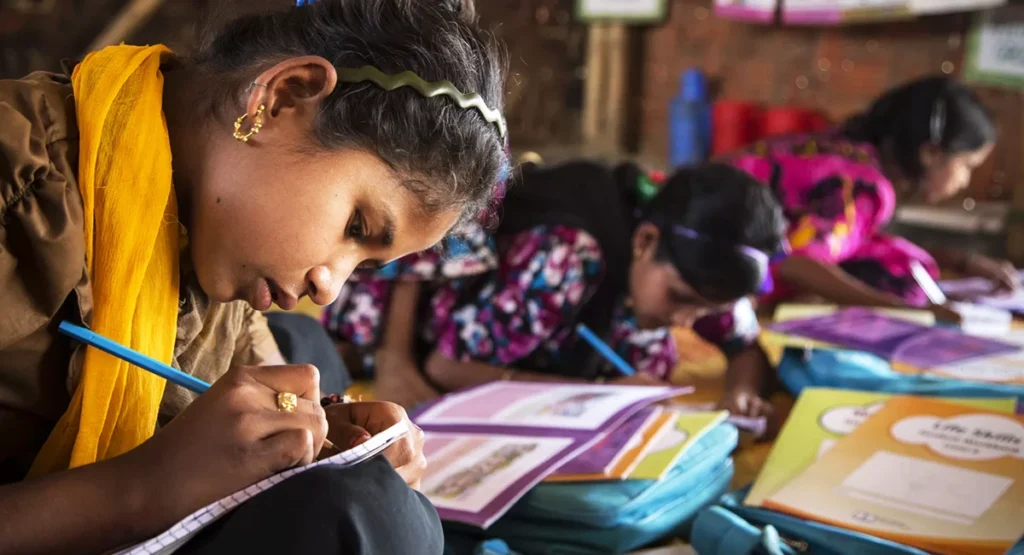
“Education is the most powerful weapon you can use to change the world,” Nelson Mandela once said. Nowhere is this truer than in urban slums, where education represents both escape and empowerment.
In many settlements in Noida and East Delhi, women-led education groups have sprung up. These are often informal: a courtyard, a whiteboard, and a handful of children. But the results are staggering.
Take the case of Rekha, a 32-year-old mother of three and a migrant from Bihar. Having never stepped inside a classroom herself, Rekha now teaches 15 children from her basti (slum cluster), including her two daughters. She received support through a women empowerment NGO that provided books, chalkboards, and training. Today, she’s not just a teacher—she’s a role model. Her eldest daughter dreams of becoming a police officer.
This ripple effect of educating one woman often spreads through entire communities. Studies from the World Bank show that every extra year of schooling for girls reduces child mortality and increases future earnings by up to 20%. NGOs working in Delhi NCR and Noida are harnessing this potential by offering bridge education programs, scholarships, and safe learning spaces—particularly for girls.
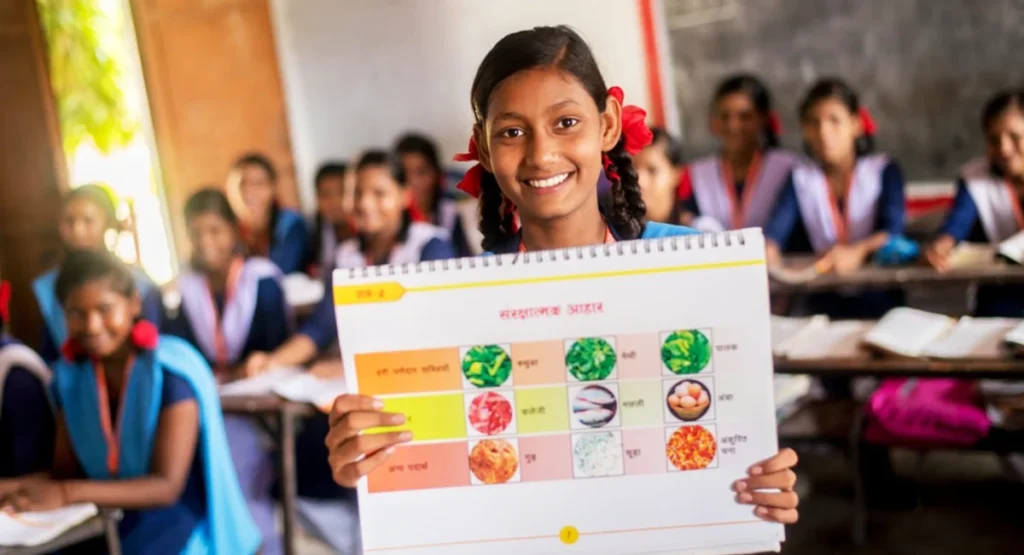
While education can open doors, hunger can slam them shut. Malnutrition is both a cause and consequence of poverty, and urban slums are epicenters of this crisis.
In a 2023 survey conducted across slums in Delhi NCR, 38% of children under five were found to be underweight, while 47% of adolescent girls were anemic. Nutrition isn’t merely a health issue—it is a development one.
Mid-day meal programs, once seen as rural interventions, are now vital lifelines in urban clusters too. These meals aren’t just about feeding stomachs—they’re about ensuring that children, especially girls, stay in school. They are about lifting the daily burden off mothers, freeing them to pursue livelihoods or training.
Several community development NGOs in Noida have implemented urban nutrition centers where women are trained to cook balanced meals for children. This not only provides nutritious food but also livelihood opportunities for local women.
For instance, in one resettlement colony near Sector 63, Noida, a kitchen run entirely by women from the slum prepares and distributes meals to over 400 school-going children every day. The women were once unemployed, struggling to feed their own families. Today, they are wage earners and role models—quietly dismantling the intergenerational cycle of poverty.
Education and nutrition are the foundation, but empowerment is the engine. True change occurs when women move from being beneficiaries to becoming decision-makers.
Across India’s urban margins, grassroots women leaders are emerging—some elected to local committees, others running cooperatives or leading sanitation drives. These women are not backed by privilege or position but by determination and lived experience.
The rise of women rights NGOs in Delhi NCR has created ecosystems where such leadership is nurtured. Through training programs in legal rights, financial literacy, and digital access, these NGOs help women build confidence and competence.
Mumtaz, a former domestic worker in Noida, now trains young girls in tailoring and stitching. After receiving skill-based support from a community development NGO Noida residents trust, she started a tailoring unit in her own home. Her enterprise now employs three women and supplies uniforms to nearby schools—uniforms subsidized by NGO funding to ensure children attend classes with dignity.
Empowerment is not always dramatic. Sometimes, it is simply the ability to open a bank account, access a mobile phone, or walk outside at night without fear. These small freedoms add up to seismic shifts in how women perceive themselves—and how society perceives them.
When these three pillars—education, nutrition, and empowerment—intersect, the result is sustainable social change.
Consider this chain reaction:
This is not a hypothetical scenario. It is the story of hundreds of families across the NCR region, where underprivileged women are actively reshaping their destinies—through micro acts that collectively form a quiet but powerful revolution.
Empowering migrant women has unique challenges—linguistic barriers, lack of local ID proof, absence of community networks—but also immense rewards.
These women bring with them not just labor, but resilience, adaptability, and ambition. With proper support, they become catalysts for urban development. Programs offering skill training, language support, and access to community spaces are transforming them into entrepreneurs, educators, and even policy advocates.
Take Saraswati, who migrated from Odisha to Delhi in 2018. With no local connections or documents, she struggled to find work. A local NGO enrolled her in a computer literacy course. Today, she works as a community digital facilitator—helping others access government schemes, apply for jobs, or pay utility bills online. She represents what is possible when migrant women are empowered, not excluded.
While progress is undeniable, the challenges are far from over:
These issues demand systemic responses and sustained collaboration between government bodies, civil society, and local communities.
Although this revolution is woman-led, it is often nudged forward by NGOs that understand the power of listening to communities rather than dictating to them.
Whether it is providing mid-day meals, distributing uniforms, setting up community libraries, or offering seed money for microenterprises, these NGOs act as enablers—not heroes. Their work in gender equality in urban slums reflects the principle that solutions must be local, inclusive, and women-driven.
In Noida and Delhi NCR, several NGOs have earned the reputation of being the best NGOs for women, precisely because they don’t impose change—they ignite it.
Behind every empowered woman in an urban slum is a story of struggle, community, and courage. Whether it’s a mother insisting her daughter attend school, a grandmother cooking for 100 children every day, or a young girl learning to code under a streetlight—these acts are revolutionary.
This is not just about women—it’s about society reclaiming its humanity through them.
As we talk about smart cities and economic growth, let us remember that true progress begins in the margins. In the slums and settlements, where women are transforming hunger into health, silence into voice, and despair into dignity.
They are the architects of a new India—one that rises not just in GDP, but in justice, equity, and compassion.


Leave A Comment