
In the heart of Noida’s bustling streets and quiet informal settlements, a quiet revolution is taking shape—led not by politicians or corporations, but by women. Women who once stayed confined to the walls of their homes are now becoming community educators, changemakers, and voices of empowerment.
They are teaching children who never dreamed of holding a pencil, mentoring young girls to stay in school, and building bridges between education, nutrition, and empowerment. These women are the new architects of grassroots change—proof that when you educate a woman, you educate a nation.
In low-income neighborhoods and slum communities, barriers to education often go beyond lack of schools. Poverty, parental illiteracy, and gender bias create deep-rooted challenges. For many families, especially migrants, sending children to school feels secondary to earning daily wages.
Here, local women educators make a world of difference. As trusted members of their community, they understand local languages, customs, and struggles. When they visit homes to encourage enrollment, families listen—not out of obligation, but respect.
A young mother teaching under a banyan tree becomes more than a teacher—she becomes a role model, an inspiration, a reminder that progress is possible.
The success of education NGOs in Noida and across India lies in their holistic approach. Education doesn’t exist in isolation; it thrives when supported by nutrition, emotional security, and social empowerment.
In many slum communities, children arrive at informal learning centers hungry, tired, and distracted. For them, a simple mid-day meal can mean the difference between dropping out and staying engaged. Recognizing this, many kids welfare NGOs integrate nutritious meals and snacks into their educational programs.
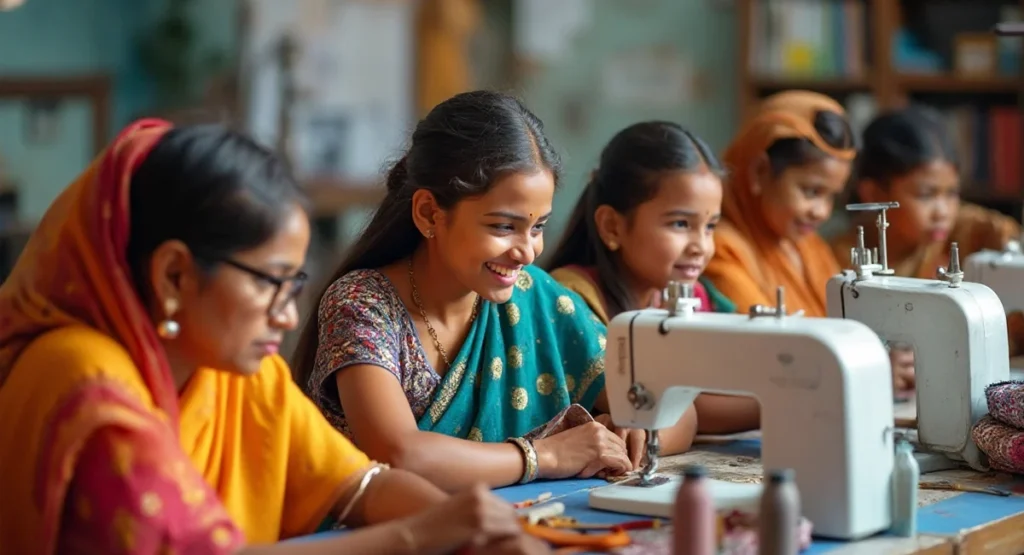
Similarly, when mothers receive skill-based training—in tailoring, handicrafts, or digital literacy—they gain income stability. That income ensures their children attend school regularly, are better fed, and dream bigger.
This circular model—where empowered women fuel children’s education, and educated children inspire empowered futures—is the foundation of lasting community transformation.
Noida, known for its corporate skyline and industrial zones, hides within it a contrasting world of urban poverty. Thousands of families live in slum clusters or construction sites, where education and nutrition often fall by the wayside.
In these communities, training women as educators has emerged as a life-changing solution. Local women receive structured training from education NGOs in Noida—learning how to teach basic literacy, identify learning difficulties, and create interactive lessons for children with minimal resources.
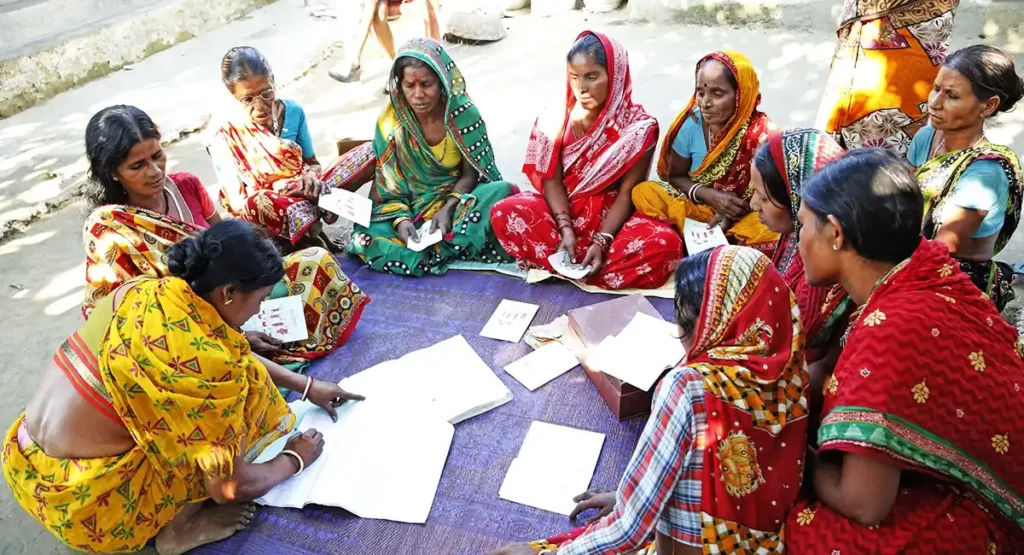
Armed with books, charts, and a heart full of compassion, these women set up informal classes in courtyards, under trees, or in shared community spaces. Their lessons are more than academic—they teach hygiene, empathy, and self-worth.
One such program in Noida’s Sector 62 slum cluster showed that when local women educators engaged with families directly, student attendance rose by 45% within six months. Parents who initially resisted formal schooling began encouraging their children to attend, influenced by women they trusted.
The evidence supporting this integrated approach is overwhelming:
This intersection—education, nutrition, and empowerment—forms a powerful trinity of sustainable development.
Training local women as educators goes far beyond classroom learning. It:
Despite their courage, community educators face daily challenges—lack of resources, overcrowded classes, social resistance, and limited recognition. Many operate in temporary spaces, teaching amidst noise and chaos, with few teaching aids.
Yet, their persistence is unmatched. They innovate constantly—using chalkboards made from cardboard, teaching alphabets through songs, and encouraging attendance with small incentives like snacks or stationery.
Each of these challenges becomes an opportunity to innovate. And every small success—a child learning to write their name, a girl returning to school—proves that grassroots change doesn’t wait for perfect conditions.
Among the many compassionate efforts shaping this transformation, the One Hand for Happiness learning initiative quietly stands out.
Through its outreach programs in and around Noida, it connects education with nutrition, skill training, and emotional well-being. By engaging local women as community educators and mentors, it ensures that learning is rooted in trust and continuity.
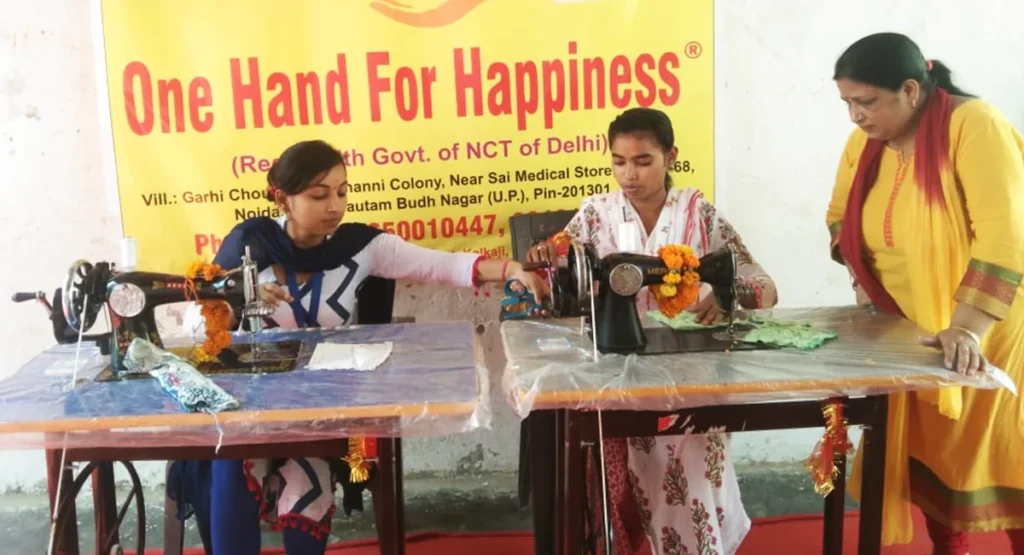
Children receive more than lessons—they receive meals, books, and uniforms, allowing them to learn with dignity. Simultaneously, women gain livelihood opportunities through teaching or vocational training, turning support into self-sufficiency.
The impact is not measured only in numbers, but in smiles—of children reading stories aloud for the first time, of mothers teaching letters they once struggled to recognize, of communities rising together.
Education for underprivileged children is not charity—it’s social infrastructure. It shapes citizens, builds economies, and strengthens democracy.
By training women as educators, NGOs are not just filling teacher shortages—they are creating resilient communities capable of sustaining change long after programs end.
This approach aligns with India’s National Education Policy (NEP) vision, which emphasizes inclusive, community-driven, and gender-sensitive education. It recognizes that formal schooling alone cannot reach every child—but empowered communities can.
The ripple effects extend beyond education. Health awareness improves, crime rates drop, and women’s participation in the workforce rises. Each trained educator becomes a nucleus of progress.
The model being shaped in India—especially in cities like Noida—is being studied and replicated globally. From Kenya to Bangladesh, local women educators are leading the fight against illiteracy and inequality.
The United Nations Sustainable Development Goals (SDGs) emphasize the same triad of priorities:
When these goals converge in community-driven models, they create self-sustaining ecosystems. The Indian example demonstrates how low-cost, high-impact strategies—like training women educators and coupling education with nutrition—can accelerate progress on multiple fronts simultaneously.
As community educators evolve, they become leaders. Many start mentoring new women, guiding families toward health, sanitation, and civic awareness.
A few even move into formal education roles—teaching in local schools or managing NGO-led learning centers. Others lead women’s self-help groups, linking education with entrepreneurship.
Their growth symbolizes a shift from dependency to leadership, from silence to agency.
As one educator beautifully summarized, “I started teaching the alphabet, but now I teach confidence.”
To expand this success, continued investment in training, resources, and recognition is vital. Future priorities include:
Such initiatives can transform urban slum education, making learning accessible to every child, regardless of background or income.
In the dusty bylanes of Noida’s underserved colonies, every chalk mark on a slate is an act of defiance against poverty. Every woman teaching a child to read is rewriting the story of her community.
Training local women as community educators is not just an educational intervention—it’s a social revolution. It weaves together the threads of education, nutrition, and empowerment to create a fabric of equality and resilience.
When children learn under the guidance of women from their own neighborhoods, they don’t just acquire knowledge—they inherit strength, dignity, and belief in themselves.
And as NGOs, volunteers, and initiatives like One Hand for Happiness continue to nurture these changemakers, one thing becomes clear: the future of India’s education doesn’t lie in grand institutions—it lies in the compassionate hands of its women.
Because when a woman teaches, a community learns. And when a community learns, a nation rises.


Leave A Comment