The right to education is one of the most powerful tools for breaking cycles of poverty. Yet for thousands of children growing up in the dense lanes of Noida’s urban settlements, this right remains fragile. Early school dropout in India is a silent crisis, particularly in underprivileged communities where children face daily struggles with hunger, lack of resources, and household responsibilities.
In the context of Noida—a rapidly urbanizing hub of the National Capital Region (NCR)—the challenge becomes even more pronounced. Migrant families, drawn from rural India in search of work, settle in makeshift homes with limited access to schools, nutrition, and healthcare. These children, brimming with potential, often leave school before they even learn the basics of reading, writing, and arithmetic.
The solution lies at the intersection of education, nutrition, and women empowerment, with NGOs and community-driven initiatives leading the way.
According to the Ministry of Education’s Unified District Information System for Education (UDISE) data, nearly 29% of children in India drop out before completing elementary school. The situation is worse in urban slums, where fragile living conditions collide with the demands of survival.
Common reasons include:
The early school dropout India problem is not simply an education issue—it is a human development crisis.
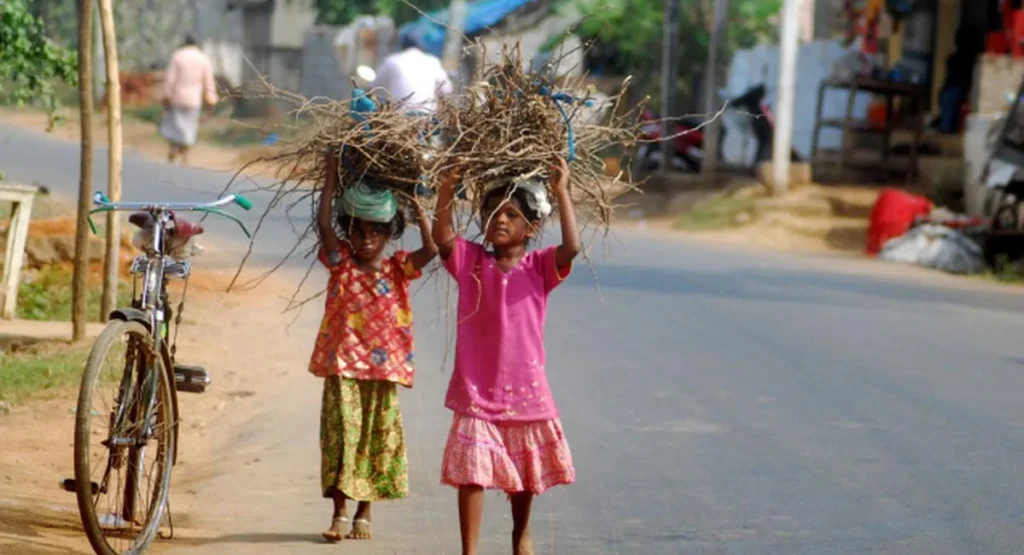
Studies consistently show that hunger is one of the biggest barriers to learning. According to UNICEF, children who are malnourished are 20% more likely to drop out of school.
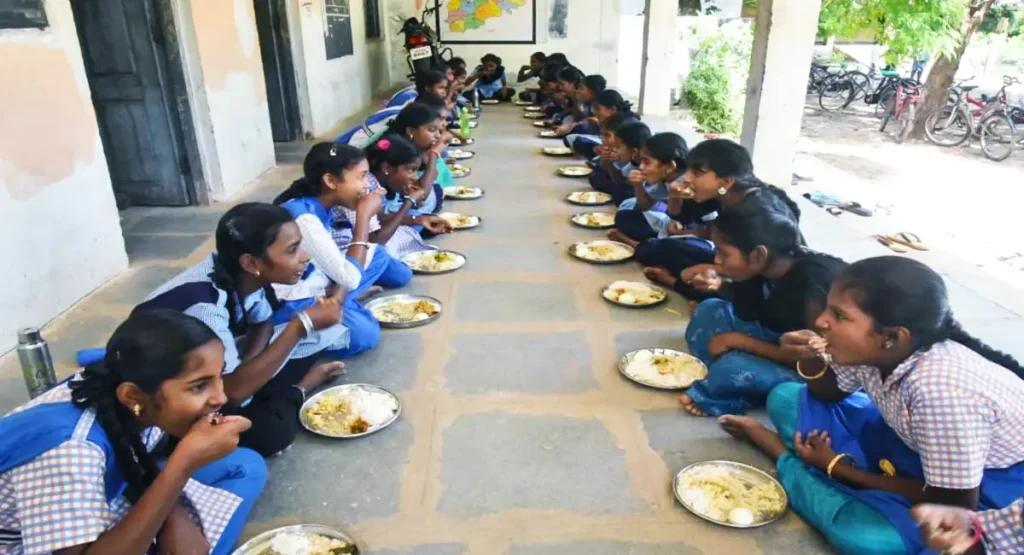
In urban settlements of Noida, this link is visible daily. Children arrive in classrooms on empty stomachs, unable to focus, and eventually disengage. Mid-day meals and nutritional support programs have proven transformative in these contexts. When children are assured of at least one nutritious meal a day in school, attendance rises, learning improves, and parents feel more encouraged to keep their kids enrolled.
Nutrition acts as an incentive for education and a safeguard for children’s long-term health. By addressing hunger and education together, NGOs can break two interlocking chains of poverty.
When mothers are empowered, children thrive. Research from UNESCO shows that a child is 50% more likely to attend school if their mother has received basic education. In Noida’s urban slums, women often juggle caregiving, low-paying jobs, and household responsibilities with little opportunity to upskill or earn sustainably.
By providing skill-based training, literacy programs, and self-help groups, NGOs create pathways for women to gain confidence and financial stability. Empowered mothers are better able to support their children’s education, invest in books and uniforms, and ensure regular attendance.
The empowerment of women is not just about income; it is about voice, agency, and the ability to envision a better future for the next generation.
Behind every child who stays in school despite the odds, there is often an education NGO in Noida providing critical support. These NGOs act as bridges between marginalized families and formal education systems.
Key interventions include:
Through such interventions, child education NGOs in India keep hope alive in communities where dropping out of school can feel inevitable.
Statistics reveal the scope, but personal stories reveal the soul of this challenge.
Take the example of Aarav, a 9-year-old from a migrant family in Noida’s Sector 62. His parents, daily wage laborers, couldn’t afford uniforms and books. Aarav was on the verge of dropping out when a local kids welfare NGO intervened, providing not just supplies but also daily meals. Today, Aarav is back in school, dreaming of becoming a teacher.
Or consider Meena, a young girl whose mother attended a tailoring skill workshop supported by a community program. With the income from her small tailoring unit, Meena’s mother now ensures that all three of her children continue schooling. Here, women empowerment became the foundation for child education.
These stories illustrate how targeted interventions can change not only one life but the trajectory of entire families.
Amidst these efforts, the idea of One Hand for Happiness learning stands out. It emphasizes collective responsibility—when one hand extends support, it creates ripples of joy, opportunity, and empowerment.
Community-driven initiatives inspired by this philosophy work in Noida’s underserved settlements, offering a blend of educational aid, nutritional support, and women’s empowerment. Subtly but steadily, such programs are redefining what inclusive growth looks like in urban India.
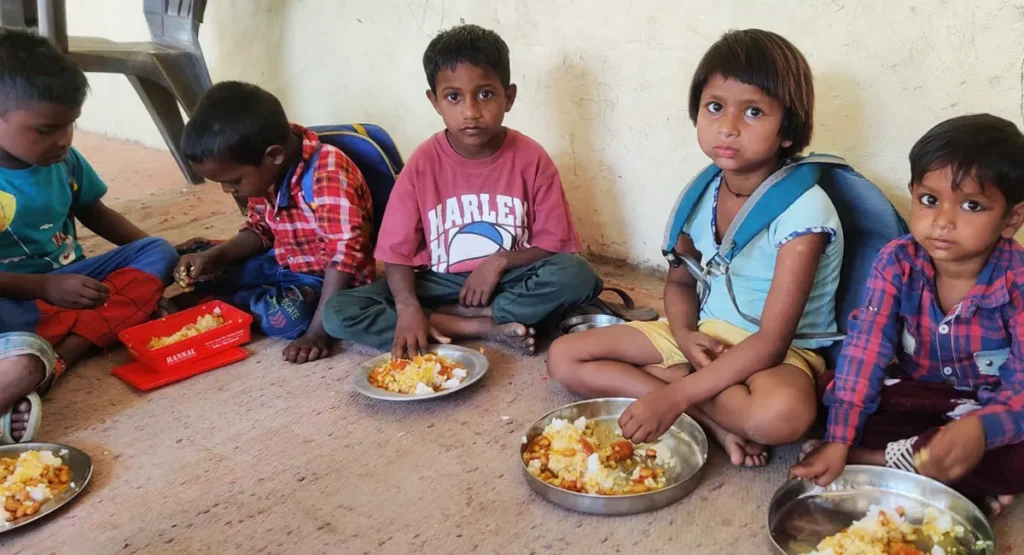
Education for slum kids is not just about literacy—it is about rewriting futures. Each year of schooling increases a child’s future earning potential by 8–10%, according to the World Bank. For urban poor families, this can mean the difference between generational poverty and sustainable livelihoods.
Yet slum children face layered disadvantages: lack of safe study spaces, peer pressure to work, and even bullying in formal schools for not having proper uniforms. By ensuring dignity—through uniforms, equal access to materials, and nurturing environments—NGOs safeguard children’s self-esteem and academic persistence.
Several studies validate the power of integrated approaches:
This research confirms what grassroots organizations have long known—education, nutrition, and women’s empowerment are inseparable pillars for child welfare.
When education and nutrition combine with women empowerment, the impact extends far beyond classrooms:
Each child who stays in school becomes a ripple of change, influencing siblings, peers, and neighbors.
The challenge of early school dropout India is not insurmountable. In Noida’s urban settlements, community-driven solutions, coupled with NGOs’ structured support, have already shown remarkable results.
But the fight requires continued compassion and commitment:
Change happens when multiple hands come together—each contributing what they can to ensure every child remains in school.
Tackling early childhood dropout in Noida’s urban settlements is not just about keeping children in classrooms. It is about offering them a future where poverty does not dictate destiny. It is about ensuring that hunger, lack of resources, or gender inequality do not cut short their dreams.
Through the combined power of education, nutrition, and women empowerment—and the steadfast work of NGO for children in Noida—this vision is already becoming reality. Initiatives inspired by One Hand for Happiness learning remind us that even a single act of support can set off waves of transformation.
No child should ever have to choose between survival and education. With compassion, community, and collective effort, we can ensure that the slum kids of today grow into the leaders, innovators, and changemakers of tomorrow

Leave A Comment