Education is the greatest equalizer, yet for millions of underprivileged children across India, access to schooling is not a given. Migrant families, who move seasonally in search of daily wages, face unique challenges in keeping their children enrolled in school. Summers are particularly vulnerable months—when classrooms thin out, opportunities shrink, and dropout rates surge.
But there is hope. Across places like Noida and similar urban clusters, innovative summer education programs are reimagining learning, nutrition, and women empowerment together. By addressing the holistic needs of children and their families—through books, uniforms, mid-day meals, and skill-building support for women—these programs are building pathways where none existed.
This blog explores the intersection of education, nutrition, and women empowerment for underprivileged communities, backed by data, real-life stories, and compassionate community-driven solutions.
India has more than 100 million internal migrants, many of whom are families moving seasonally between states or cities in search of work. For children, this movement often translates into lost years of education.
Research by UNESCO highlights that 1 in 5 migrant children in India never return to school after dropping out, perpetuating the cycle of poverty.
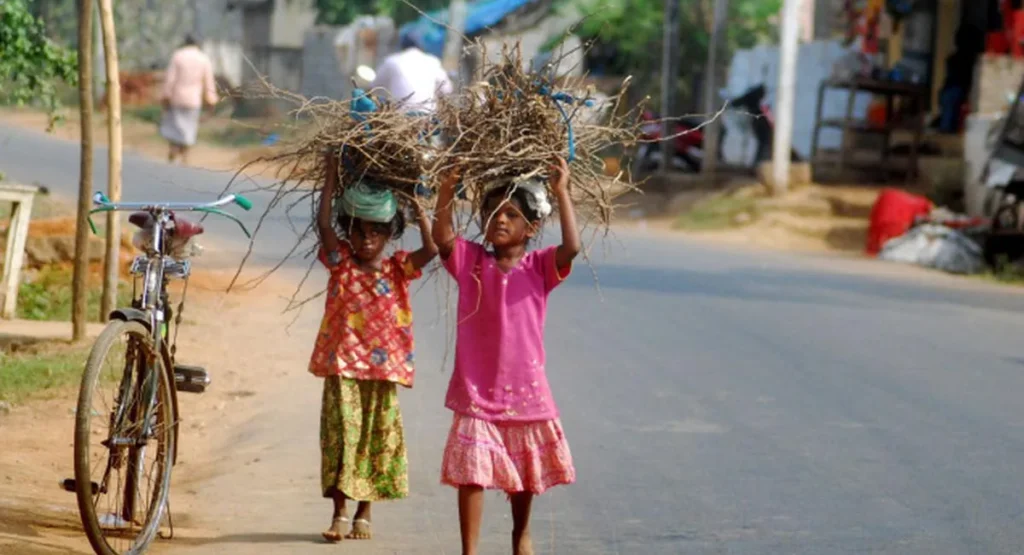
Urban hubs like Noida, with large migrant populations working in construction, domestic labor, and small industries, illustrate this challenge vividly. Here, seasonal summer education Noida initiatives serve as anchors that keep children connected to classrooms.
Through bridge courses, remedial classes, and creative learning models, these programs ensure that children remain engaged during the school break. They are more than academic refreshers—they are safe spaces where kids receive nutrition, emotional support, and a sense of belonging.
A child education NGO in India working in such neighborhoods often ties learning with holistic care:
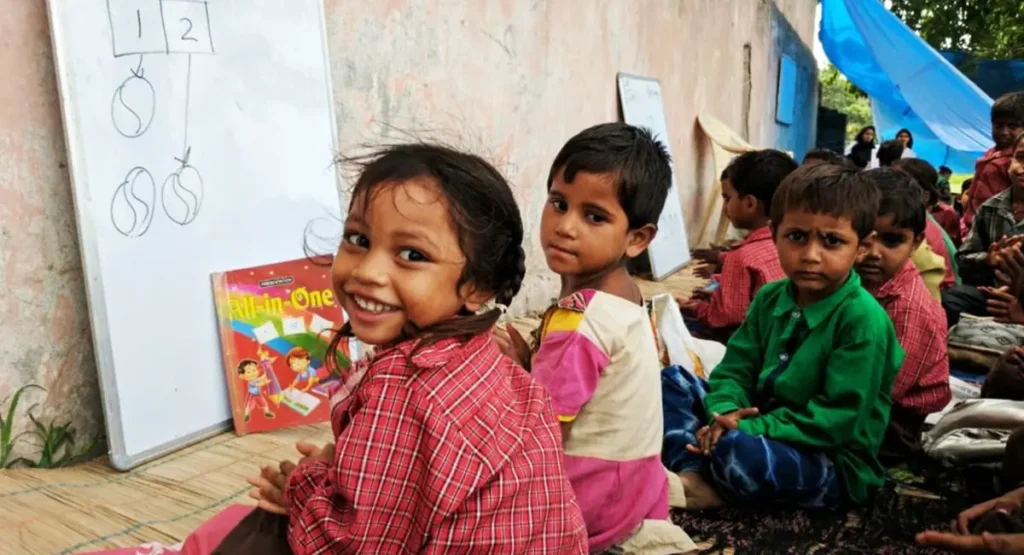
Rani, a 10-year-old living in a migrant settlement on the outskirts of Noida, nearly dropped out last summer. Her parents, daily wage laborers, considered taking her to their village during the school break. Without structured programs, Rani would have lost months of learning and possibly never returned.
Instead, she enrolled in a summer education Noida program run by an NGO for children in Noida. Every morning, she attended classes where teachers used storytelling and activity-based learning to revise her math and reading. She also received a mid-day meal—often her only nutritious food of the day.
By the time school reopened, Rani was not only still enrolled but also ahead of her peers in confidence and skills. Her mother, who joined a tailoring workshop through the same NGO, now earns an additional income, reducing the pressure to pull Rani out of school.
Rani’s story is not unique; it reflects the transformation possible when education, nutrition, and women empowerment intersect.
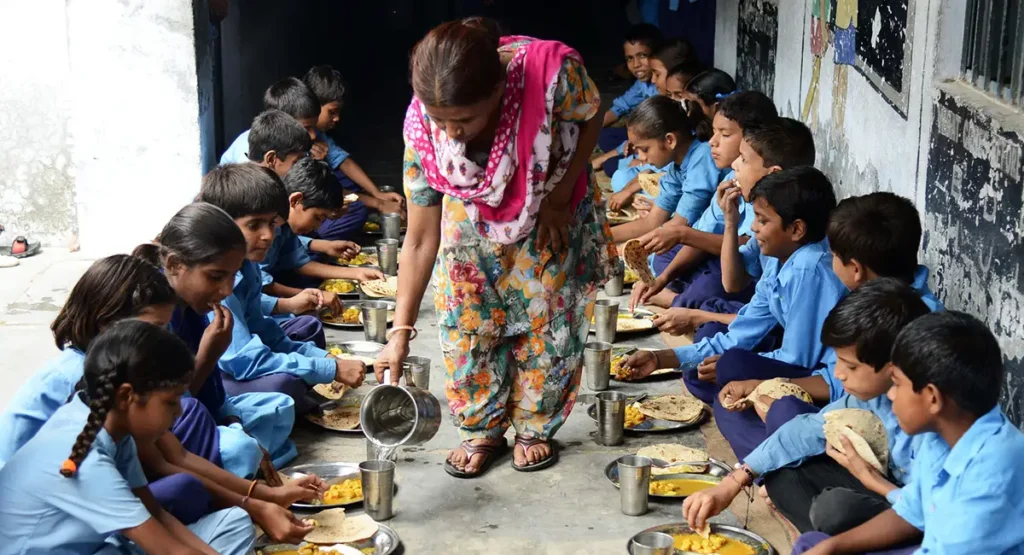
It is often said that a hungry child cannot learn. Studies confirm this: children who receive daily nutrition are 30% more likely to attend school consistently. Summer months are particularly critical, as the absence of school-provided meals can worsen malnutrition.
Seasonal programs step in with mid-day meals and take-home rations, ensuring that children not only show up but thrive. For migrant families struggling to put food on the table, this incentive is often the difference between attendance and dropout.
Education for children cannot be isolated from the empowerment of their mothers. When women in migrant communities receive training—whether in tailoring, handicrafts, digital literacy, or food processing—they gain both confidence and income.
This dual impact is transformative:
In fact, data from UNICEF shows that children of literate mothers are twice as likely to stay in school. By weaving women’s empowerment into child education initiatives, kids welfare NGOs create sustainable change.
Among the many grassroots movements, initiatives like One Hand for Happiness learning have been making quiet yet powerful contributions. By creating safe learning environments during summers, distributing uniforms and books, and simultaneously engaging mothers in skill-based programs, such community-driven NGOs address the problem at its root.
While not always in the spotlight, their approach exemplifies how localized, compassionate solutions can shape futures for underprivileged families.
Keeping migrant children in school is about much more than building classrooms. It requires dismantling invisible barriers:
By directly addressing these issues, school access migrant kids programs transform temporary enrollment into long-term education.
A recent study by Azim Premji University found that summer learning losses account for nearly 20% of academic setbacks among underprivileged children. However, children who attended structured summer programs showed improvements in reading and numeracy by up to 15% compared to peers who did not.
Moreover:
These numbers tell a compelling story: small, consistent interventions create ripple effects of change.
Imagine the joy of summer break—play, curiosity, new discoveries. For most children, this season is a time to explore. But for underprivileged migrant kids, summer often means halted learning, empty stomachs, and fading dreams.
Seasonal programs restore this joy. A simple classroom under a tree, a shared meal, a donated book—these small acts create continuity in childhood. They remind children that they matter, that their education is worth protecting, and that their future is not bound by circumstance.
The long-term solution lies in integrating seasonal programs into mainstream education policy. This means:
When these layers come together, dropout rates decline, literacy improves, and cycles of poverty begin to break.
The story of summer education for migrant kids in Noida is not just about one city. It reflects a broader struggle across India, where millions of children hover between learning and losing ground.
By supporting NGO for children in Noida, volunteering time, donating books, or simply spreading awareness, individuals and communities can play their part. Each contribution strengthens the fragile bridge that keeps underprivileged children connected to education.
Because at its heart, this is about more than literacy—it is about dignity, opportunity, and the chance for every child to dream beyond survival.
Seasonal programs that keep migrant children enrolled during summers represent some of the most compassionate and effective interventions in India’s education landscape. They weave together three powerful threads:
Through the tireless work of child education NGOs in India, especially those rooted in local realities like One Hand for Happiness, these threads become a safety net for thousands of children.
The lesson is clear: when communities rally to protect childhood, the ripple effects extend far beyond one season. They shape futures, strengthen societies, and remind us that even in the hottest, hardest months of the year, hope can flourish.

Leave A Comment