In the bustling classrooms of under-resourced communities, the presence of basic writing materials—a notebook, a pencil, a colorful pen—can make all the difference. Stationery is more than a school supply; it’s a tool of creative learning, a signal of support and dignity, and often the bridge between silence and expression.
This blog explores how stationery gifts help spark creative learning, build child creativity, and drive student engagement—especially among underprivileged education settings. Alongside this, we’ll examine how integrating mid‑day meals, books, uniforms, and skill-based support for women forms a holistic ecosystem that uplifts entire communities. A grassroots partner like One Hand for Happiness demonstrates quietly how these elements weave together to foster lasting change.
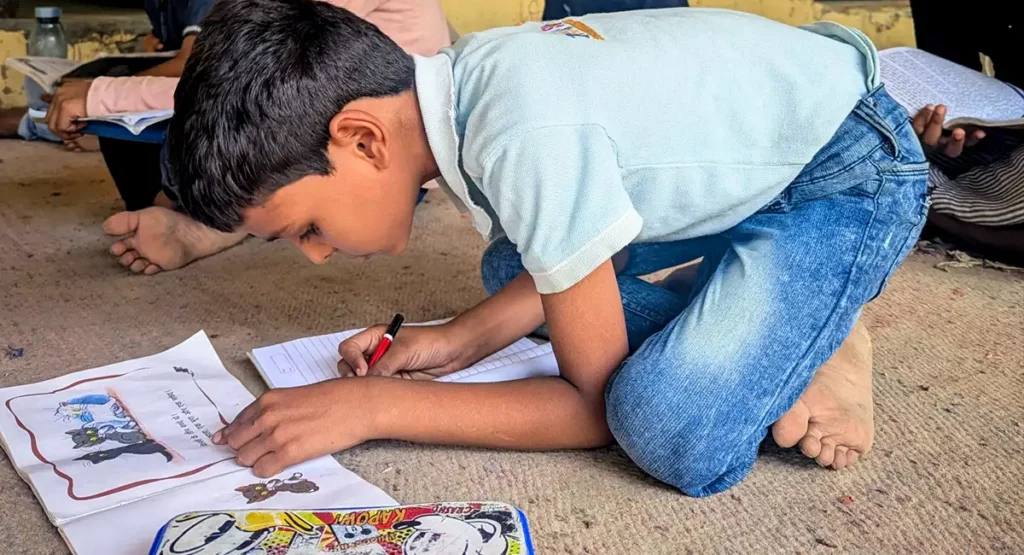
A notebook with crisp pages, a pencil with a sharp tip, or a set of colored crayons—these small items open up a world of possibility. For a child with limited resources, receiving stationery feels like being granted permission to learn, speak, and imagine.
Studies show that children given access to consistent creative tools demonstrate greater enthusiasm in class, improved handwriting, and a surge in written expression. When they have their own stationery, children feel a sense of ownership and agency that translates into better academic performance.
Creative learning thrives when children feel safe to experiment, make mistakes, and narrate their experiences. Writing sparks memory, engages fine motor skills, and encourages reflection. Drawing invites storytelling through imagery. When stationery is available, students begin to fill margins with ideas, sketches, and small journals capturing their world.
Research in education psychology confirms that writing materials contribute to cognitive development, especially in early grades. Journaling, for instance, helps children process events, explore emotions, and develop narrative intelligence. In underprivileged classrooms, where expressive outlets are few, supplies like diaries and drawing pads become catalysts of student engagement.
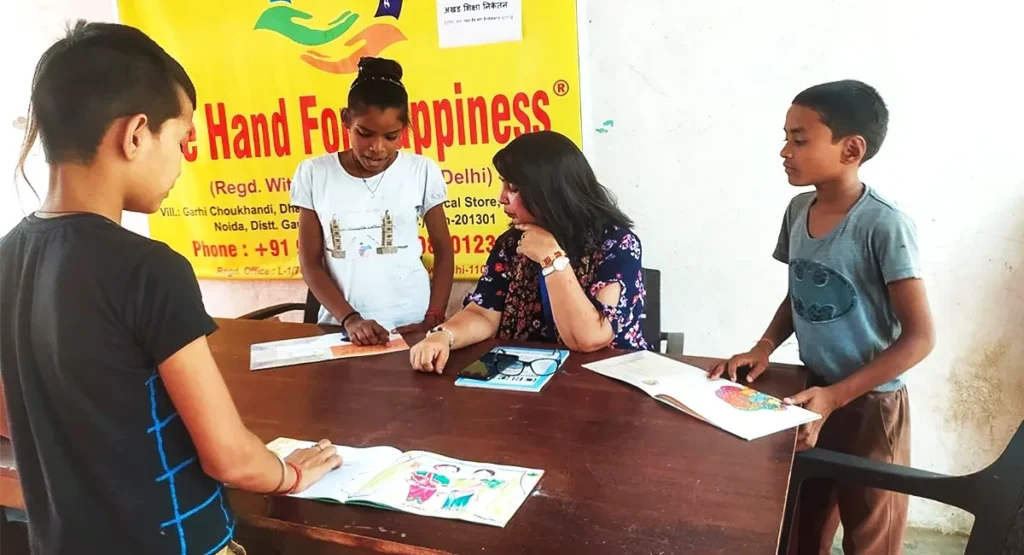
In a cluster of rural schools, children were given colorful notebooks and sketch pads. Teachers noticed a 20% rise in class participation and storytelling assignments showing deeper expression. Even in the most underfed classrooms, pencils sparked pride.
A short-term stationery drive distributed pens, post-its, and ruled notebooks to urban children. Attendance rose; parents reported their children joining neighborhood study groups. Local women, trained in basic school kit stitching and folding, earned livelihoods while supporting kids’ creativity.
These findings underscore the fact that stationery is not a luxury—it is a learning right.
When resources are scarce, marginalized children often sit silent, fearing to speak in public or write wrong answers. A pencil becomes a shield: safely erasing mistakes, making space for learning without judgment.
Stationery gifts help reduce shame. They signal that someone—some community, some effort—cares enough to give. That in turn encourages children to show up, stay curious, and risk learning.
Children learn better on full stomachs. When school meal programs run alongside stationery and learning materials, children arrive ready to focus, write, and participate.
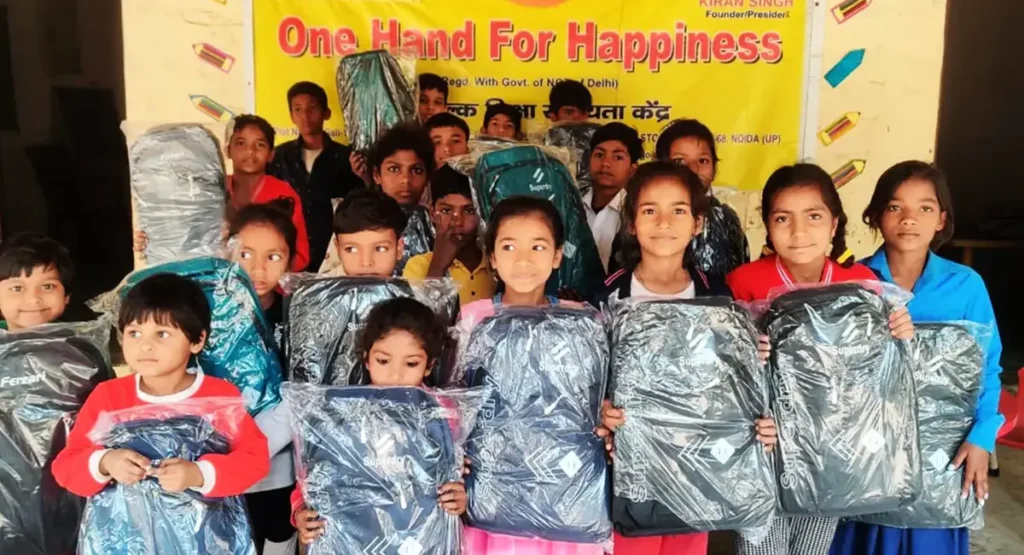
Providing books and uniforms alongside stationery bridges gaps in education access and inclusion. When a child has the tools to learn, the dignity of attire, and the nourishment to think clearly, the classroom becomes a space of full participation.
Many initiatives train local women to assemble stationery kits or stitch school bags and uniforms. This not only provides livelihood but also connects women to their communities in meaningful ways—turning mothers into partners in education and learning innovation.
In some communities, women who prepare stationery kits are the same women whose children receive books and meals, creating a cycle of care and contribution.
In a semi-urban community, a program provided mid-day meals, school stationery, and uniforms to students. Simultaneously, women were offered a vocational course to sew bags or stitch kits. As women completed training, they earned a small income and helped supply the very materials their children used in class.
Within a year, schools recorded a 30% rise in attendance and a measurable uptick in writing and drawing assignments. Children who were previously hesitant to write now created portfolios of poems, drawings, and short stories—testament to how stationery fosters creative learning.
Stationery is the launchpad, but nurturing creativity requires thoughtful classroom practices:
When such practices are supported, stationery becomes more than a tool—it becomes part of a creative learning culture.
Data from creative learning programs indicates:
To make stationery impact endure:
One Hand for Happiness subtly implements such models, ensuring stationery fuels learning—not just once, but every day.
Here’s how individuals and communities can contribute:
Read, Write, Rise captures the promise that gets unlocked when children have the tools and voice to imagine a future. Stationery—simple, tangible, familiar—becomes the first step in that journey.
But stationery alone is not enough. It must be part of a broader ecosystem that includes food, identity, guidance, and opportunity. When those pieces come together, classrooms become places where creativity thrives, children believe, and communities grow stronger—together.
Because when a child is given the right pen and notebook, they begin to write their own story. And that story is the beginning of rising—and rising together.

Leave A Comment