In the quiet corners of villages and the bustling lanes of urban slums, change is happening — not through revolutions or rallies, but in humble community centers and classroom corners where women’s workshops are quietly rewriting destinies.
Armed with thread and needle, a kitchen stove, a small beauty kit, or sometimes just paper and pen, underprivileged women are finding the tools to reclaim their voices. These aren’t just skills — they are lifelines. They represent hope, economic independence, and a new identity forged skill by skill.
This blog delves into how micro training sessions, vocational workshops, and community skills programs are becoming some of the most powerful engines of women empowerment in underserved communities. We’ll explore the ripple effect of income generation, community transformation, and the surprising synergy between education, nutrition, and female autonomy — all nurtured in the nurturing spirit of local training.
In many low-income communities, women are often seen solely as caregivers or laborers — expected to sacrifice their ambitions at the altar of family needs. But when given the opportunity to learn just one marketable skill — be it stitching, cooking, embroidery, bookkeeping, or soap-making — that narrative begins to shift.
Skill building for women isn’t just about creating products. It’s about creating confidence.
According to a UN Women report, vocational training increases the likelihood of women earning by over 60% within one year of completion. The impact isn’t limited to earnings alone — it leads to better household decision-making, higher school attendance for their children, and improved access to healthcare.
In essence, when a woman learns, a generation changes.
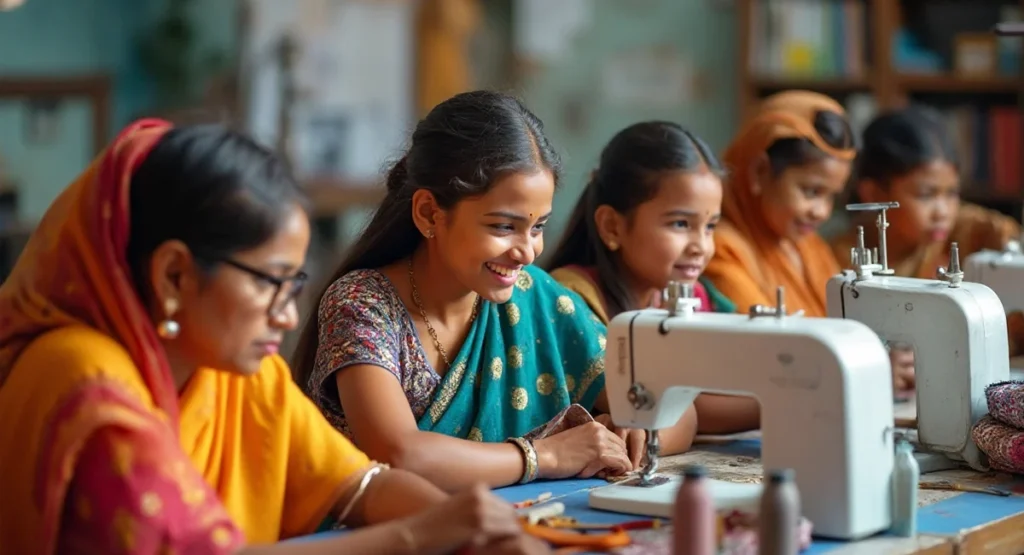
Women’s workshops are not just about what’s taught — they’re about how women are treated.
In these safe, supportive environments, women are seen, heard, and encouraged. Unlike formal classrooms, workshops are flexible, culturally sensitive, and rooted in local relevance. They accommodate mothers, homemakers, and even grandmothers. They acknowledge the unpaid labor women do and design training around it.
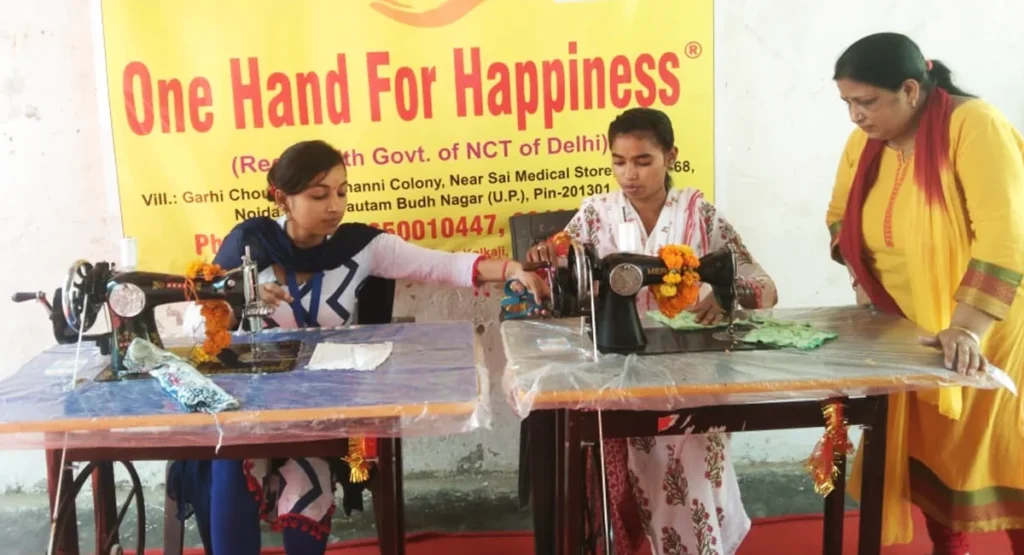
A tailoring workshop in Uttar Pradesh, for instance, allowed women to bring their infants, offered community lunch, and split training into two-hour segments. The result? 85% completion rate and over half the participants began selling their products within 3 months.
These programs are rarely glamorous. But they are deeply personal, practical, and powerful.
Many women who attend these workshops have never had their own income. The first time they stitch a blouse, bake a cake, or fix a mobile — and someone pays them — the psychological impact is profound.
Their shoulders square. Their voices firm up. That first ₹100 note earned independently often becomes a talisman — a reminder that they are capable of more.
Income generation, even at small scales, dramatically shifts household dynamics. It improves access to food, education for children, and even domestic safety. Research from the World Bank shows that women who earn are less likely to experience domestic violence, more likely to save, and often reinvest up to 90% of their income into their family’s well-being.
One graduate from a home-cooking workshop in Gujarat began selling meals from her doorstep. Within a year, she had five regular customers and enough income to buy her daughter a bicycle and her son school books. Her husband, once skeptical, now helps with deliveries.
This is workshop impact — measured not in profit margins, but in pride and participation.
Large-scale training programs often miss the nuances that matter in marginalized communities. That’s where micro training steps in.
These are short, targeted sessions — sometimes just a few hours long — focused on one core skill: making a reusable cloth pad, preparing street-style snacks, or operating a sewing machine. These sessions are designed for accessibility and speed — allowing women to learn, apply, and earn almost immediately.
The beauty of micro training lies in its adaptability. It works for:
A small initiative that offered soap-making workshops in West Bengal trained over 120 women in just six months — using backyard courtyards as training spaces and WhatsApp for reminders. Within a year, 40 of them had started small soap businesses or joined cooperatives.
Micro doesn’t mean minimal. It means focused, fast, and functional.
True women empowerment programs don’t stop at skill training. They integrate life skills, financial literacy, health awareness, and most importantly — confidence-building.
Some of the most effective models now combine:
This intersectionality is critical because poverty is not a single-issue problem. A woman juggling hunger, illness, and patriarchy doesn’t need just a sewing machine — she needs a system that respects her complexity and offers holistic solutions.
Many grassroots programs, like those supported by community-first NGOs (such as One Hand For Happiness, working quietly behind the scenes), understand this. They provide not just the kit — but the courage.
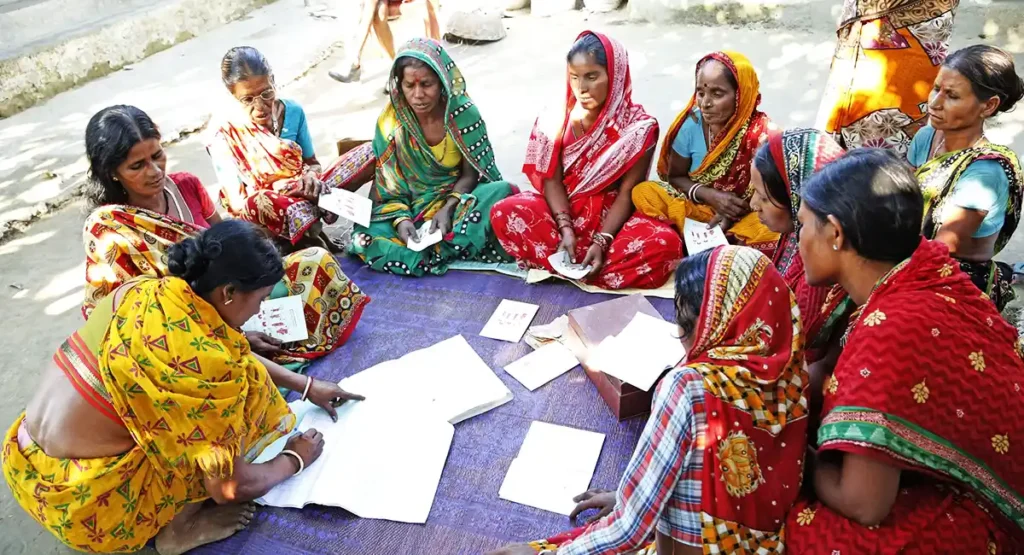
These programs often partner with schools to ensure children receive mid-day meals, books, and uniforms, while the mothers receive skill support, training, and community access. This two-generation approach ensures sustainable impact.
Nasira, a 35-year-old mother of four, had never touched a computer. Through a local digital skills workshop, she learned how to type, send emails, and eventually, run her own handicraft page online. Today, she teaches other women in her neighborhood how to list and market their products.
Lata, a widow in a rural village, joined a candle-making training session. She began selling festive candles at the weekly market. What started as a seasonal income source turned into a consistent business — and helped her send her granddaughter to a better school.
Sujata, a teenager once considered a school dropout risk, joined a weekend painting workshop. She now creates greeting cards and bookmarks, which she sells at local fairs. Her dream? To start her own art shop someday.
These women didn’t wait for perfect circumstances. They created opportunities one workshop, one skill, one day at a time.
The ripple effect of women’s empowerment is tangible.
When you teach a woman a skill, you do more than increase her income — you activate her potential, and in turn, activate the potential of her family, her neighborhood, and her next generation.
One study by McKinsey & Co. found that closing the gender labor gap in India could add $770 billion to GDP by 2025. But this isn’t just about economics — it’s about equity, justice, and the right to dream.
If you’re wondering how to support this movement — the answer is surprisingly simple.
Remember, the most powerful change happens quietly, in circles of women learning together, supporting each other, and building futures one lesson at a time.
Empowerment doesn’t always look like a protest or policy change. Sometimes, it looks like a woman holding scissors with trembling hands, making her first cut on a piece of cloth. Or like a mother handing over the first meal she cooked for sale. Or a teenager painting her first notebook cover with pride.
In a world obsessed with speed and scale, let’s not forget the magic of small, meaningful beginnings.Because when women grow skill by skill, communities rise generation by generation.

Leave A Comment