Across India, millions of children living in slums and informal settlements are still denied their right to education. For these communities, traditional systems often fail to reach or retain students—creating a vacuum that grassroots initiatives are beginning to fill. Child education NGOs in India are stepping up to ensure that learning reaches even the most marginalized corners.In areas like Noida, near sectors like 18 and 62, local communities are seeing the ripple effects of small but committed efforts by organizations that bring education for slum kids, regardless of caste, class, or income. These initiatives aren’t just about schooling; they’re about hope, dignity, and breaking the generational cycle of poverty.
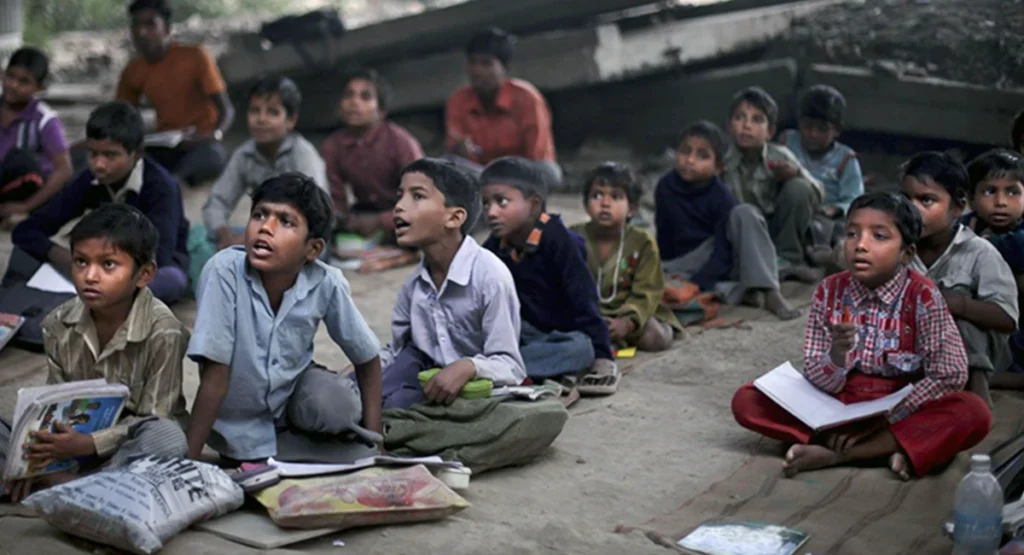
Despite government initiatives like the Right to Education Act, the reality for many children in India’s slums is stark. According to a [UNESCO report], millions of children drop out before completing primary education. Reasons range from financial instability and child labor to migration and lack of awareness.
Without access to affordable, quality education, children in urban slums and rural outskirts remain trapped in the margins. That’s where non-profit schools in India and grassroots NGOs enter the picture.
Key Challenges Faced by Underprivileged Children:
Unlike large, institutional setups, grassroots NGOs work directly with communities. They understand hyperlocal issues and design flexible learning models that adapt to each child’s situation.
Many grassroots education NGOs in Noida and across India run bridge courses in parks, construction sites, and community halls. These act as stepping stones, helping kids transition into formal schooling.
From mid-day meals and hygiene kits to emotional support and parental counseling, these organizations go beyond textbooks to address the ecosystem surrounding each child.
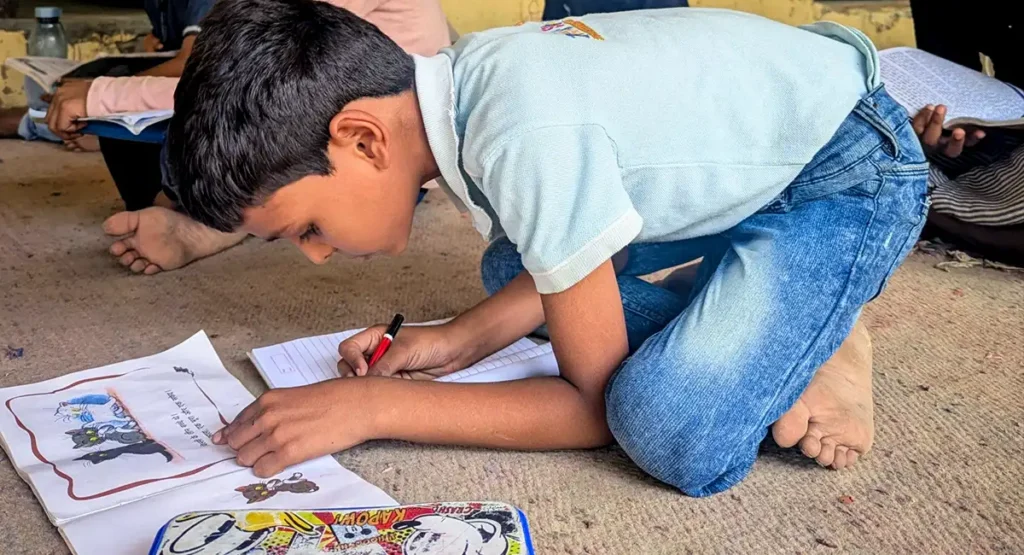
Whether it’s a kids welfare NGO, a child NGO in Noida, or a pan-India initiative, these organizations are becoming lifelines for vulnerable children. They offer:
Many also act as advocacy partners with local government schools, helping with admissions, retention, and infrastructure improvement.

Among the many active grassroots education initiatives, One Hand for Happiness stands out as a beacon of change. Based in Noida, this education NGO works specifically with children of migrant laborers and daily wage earners who live in construction sites and urban slums.
What Makes One Hand for Happiness Effective?
As one of the leading NGOs in Noida for teaching and volunteering, they have enabled hundreds of children to re-enter mainstream education and dream of brighter futures.
One of the biggest strengths of these grassroots models is their ability to harness local volunteers. Teachers, students, working professionals, and retirees contribute as:
If you’re looking for a NGO in Noida for volunteering, grassroots education efforts provide the perfect blend of impact and involvement.
Volunteering Perks:
Educating one child affects generations. Grassroots NGOs are helping not just children—but entire families—move toward stability and aspiration. When a child learns to read, when a girl goes to school for the first time, or when a teenager dreams beyond daily wages, a new narrative begins.
Over time, these small initiatives build community resilience, reduce child labor, and create the foundation for a more equitable India.
While the government plays a key role, it is the grassroots ecosystem that ensures no child is forgotten. The collective power of local NGOs, compassionate individuals, and engaged communities is rewriting futures across India.
Grassroots education efforts are proof that change doesn’t always come from the top—it starts with those who care enough to act, teach, and stand up for every child’s right to learn.

Leave A Comment