Education is often hailed as the most powerful tool to break the cycle of poverty. Yet for millions of migrant families across India, especially in urban slums of Noida and the NCR, this tool remains painfully out of reach. Frequent relocations, unstable income, lack of food security, and systemic inequalities create an invisible wall between children and classrooms. But with flexible learning models that adapt to the realities of these families, there is new hope.
This blog explores how flexible learning in Noida is transforming access for migrant children, weaving together the threads of education, nutrition, and women empowerment. It also examines how community-driven programs—from mid-day meals to vocational training for mothers—are redefining what education means for underprivileged communities.
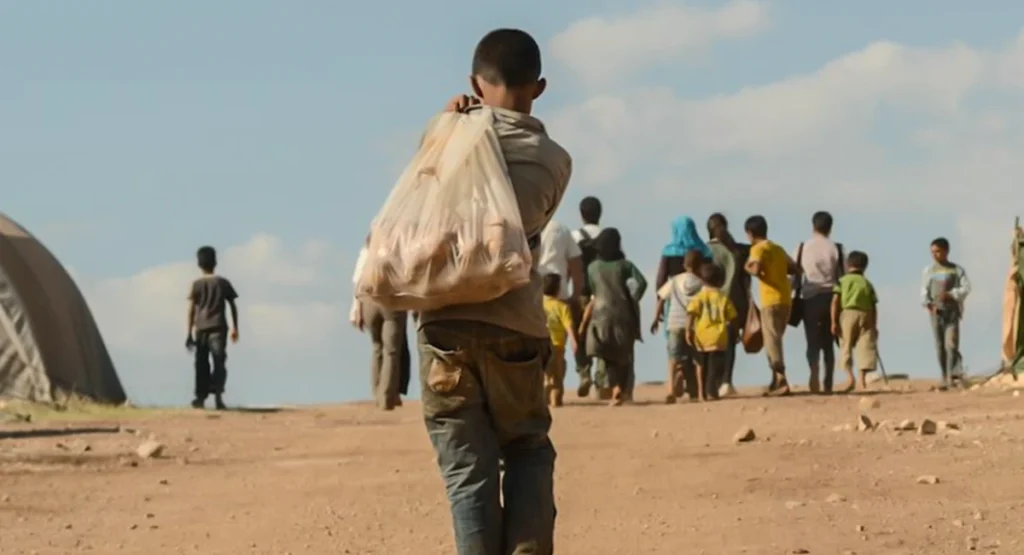
Migration is both a survival strategy and a cycle of instability. Families migrate to NCR cities like Noida in search of work—construction, domestic help, small-scale factory jobs. Children often bear the brunt of this movement.
When these factors overlap, education becomes a luxury rather than a right. But this is exactly where flexible learning models come in.
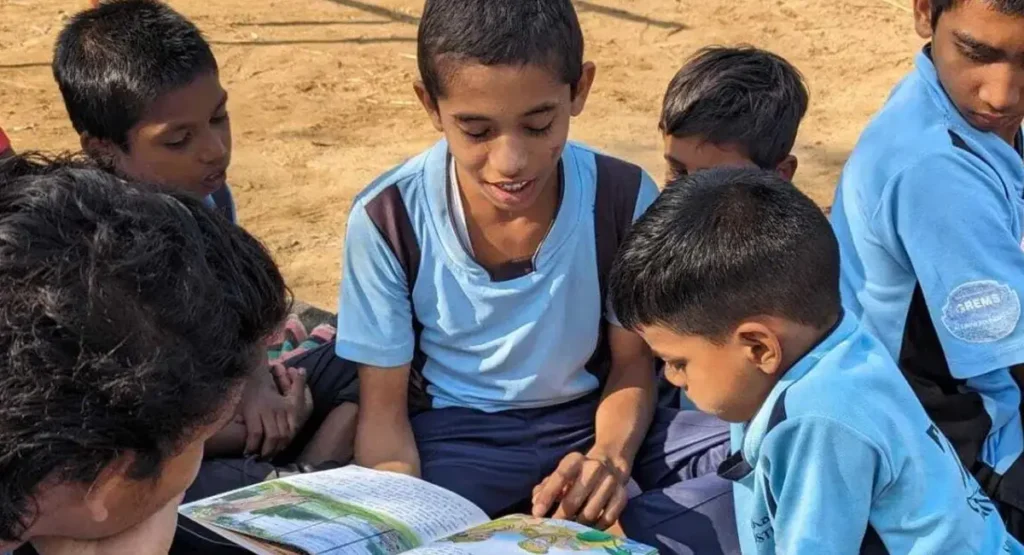
Flexible learning is more than just after-school tutoring or open classrooms. It means creating adaptable curriculums, teaching methodologies, and schedules that fit the needs of children living in unpredictable circumstances.
Some strategies that have proven effective include:
Flexible learning in Noida has shown that when education adapts to the child—not the other way around—attendance improves, dropout rates fall, and communities begin to view education as a pathway to dignity.
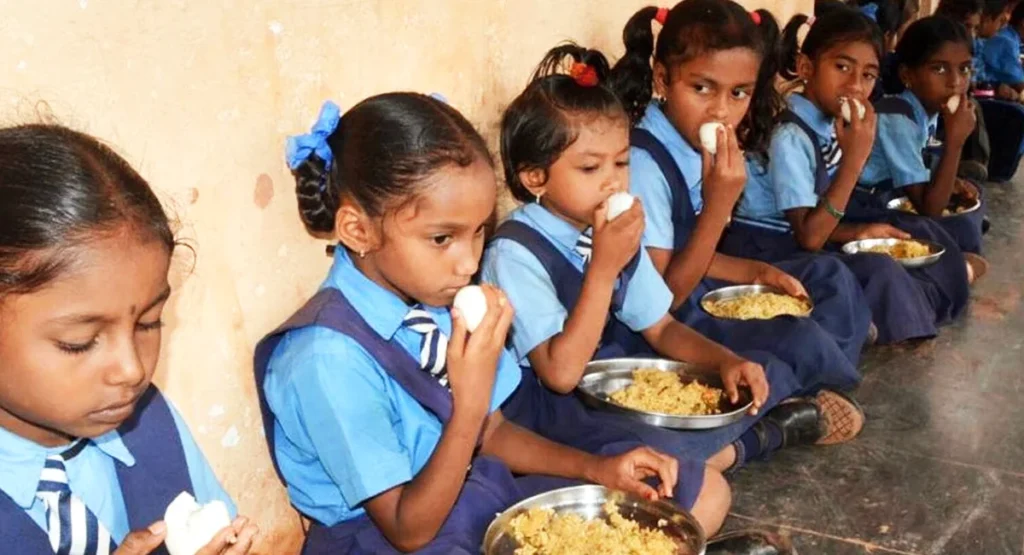
Nutrition is inseparable from learning. A child who goes hungry cannot focus, and hunger is one of the leading silent reasons for dropouts in Noida’s slums. Mid-day meal programs are not just about food; they are about dignity, routine, and incentive.
Organizations like One Hand for Happiness NGO have been subtly but meaningfully contributing to this cause, offering meals that double up as a lifeline for children who otherwise might spend their day in labor or on the streets.
The impact is visible: slum children who once skipped school due to hunger are now staying, learning, and dreaming bigger.
Empowering women is central to sustaining flexible learning. When mothers are educated, informed, and economically independent, children benefit. Many education NGOs in Noida have realized that addressing women’s needs is inseparable from children’s welfare.
For example, a mother in Noida’s Sector 62 slum cluster, once hesitant to send her daughter to school, began doing so after attending a vocational training program. Her small earnings gave her confidence, and her daughter’s education became a shared family goal.
This ripple effect highlights how empowering women is not a side initiative but an integral part of flexible learning in underprivileged communities.
Rani, 10, has lived in three different slums in Noida over the last two years as her father’s construction jobs shifted sites. Each time she moved, she lost months of schooling. Flexible bridge courses run by an education NGO in Noida gave her a chance to catch up. Today, she reads fluently in Hindi and is starting to learn English, with aspirations of becoming a teacher.
Anita, a migrant mother of two, joined a stitching program organized by a kids welfare NGO. The income she now generates pays for notebooks and uniforms. More importantly, Anita insists her daughter will not leave school early, unlike her own experience of dropping out at 12.
Meena once went to school on an empty stomach and could barely pay attention in class. Through One Hand for Happiness meals, she now eats regularly and is among the most enthusiastic students in her batch. Her teachers note the transformation in her confidence and performance.
These stories humanize the statistics and show that flexible learning is not a theoretical model but a living, breathing force of change.
The interconnection between education, nutrition, and women empowerment creates a self-sustaining ecosystem:
This triad is what makes flexible learning models work in real, underserved contexts like Noida’s migrant slums.
NGOs play a pivotal role by:
In many cases, international medical collaboration or nutrition-focused partnerships strengthen these initiatives, ensuring that children not only study but thrive.
One Hand for Happiness learning centers have been quietly but consistently supporting migrant child education NCR by providing both structured lessons and flexible modules that respect family circumstances.
While progress is visible, sustainable impact requires systemic strengthening:
These strategies ensure that flexible learning Noida is not just a stop-gap solution but a sustainable pathway for generations to come.
India’s demographic dividend depends on how well its young population is educated and empowered. Migrant children, often invisible in policy conversations, represent a significant portion of this youth. Neglecting them means perpetuating cycles of poverty, malnutrition, and gender inequality.
On the other hand, investing in child education NGOs, nutrition programs, and women empowerment initiatives in slums can unleash transformative power—turning vulnerable communities into active contributors to India’s growth story.
Education for slum kids is not just about classrooms and textbooks—it’s about dignity, empowerment, and breaking cycles of deprivation. Flexible learning models, when combined with nutrition and women’s empowerment, provide the holistic approach needed to address the unique challenges of migrant families in Noida and beyond.
The stories of children like Rani and mothers like Anita are proof that with the right support, change is possible. NGOs, government bodies, and community leaders must continue working hand-in-hand to ensure that no child is left behind because of circumstances beyond their control.
Organizations such as One Hand for Happiness NGO remind us that change starts at the community level—with meals, books, uniforms, and above all, hope.
Education, nutrition, and empowerment are not luxuries—they are the building blocks of justice, equality, and progress. The time to act is now.

Leave A Comment