In the heart of India’s bustling cities lie quiet pockets of resilience—slum communities where dreams struggle against poverty, limited access, and daily uncertainty. Yet amid these narrow lanes and humble homes, a different kind of light glows each year. Stages are set, songs echo through the air, and children dressed in borrowed costumes beam with pride as they perform before their parents.
These are not just performances—they are celebrations of learning, hosted by local education NGOs in Noida and other Indian cities. Each annual cultural event marks not only academic progress but the triumph of community, creativity, and hope.
In spaces where life often revolves around survival, these events remind everyone that education is not confined to classrooms—it’s a living, breathing force that connects, uplifts, and transforms entire families.
For children in underprivileged areas, learning often feels transactional—rote memorization, tests, and attendance. But true education is about more than reading and writing; it’s about self-expression, empathy, and identity.
That’s why cultural education in India has become a cornerstone of many NGOs’ efforts to make learning joyful. Dance, theatre, and art act as tools of communication for children who may not yet have the words to describe their emotions or struggles.
According to UNESCO, creative learning boosts retention, confidence, and emotional intelligence, especially among children from marginalized backgrounds. A simple skit about cleanliness or gender equality can ignite conversations at home. A group dance performance on unity can instill teamwork and belonging.
At annual cultural events held by child education NGOs in India, children rehearse for weeks. They write their own dialogues, design their props, and even invite parents to watch. For families who have never seen their child on a stage, these moments are nothing short of magical.
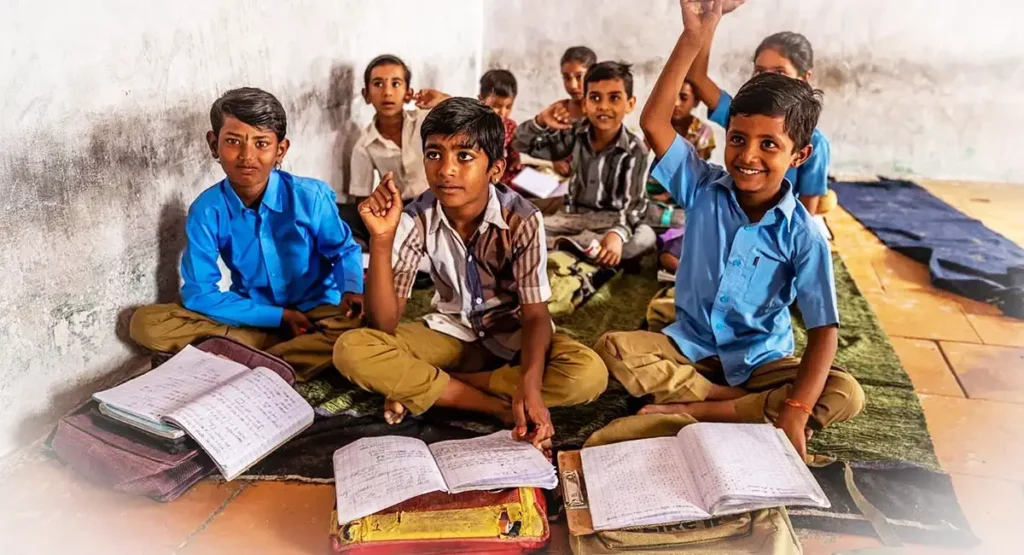
In elite schools, annual functions are expected—complete with rehearsals, costumes, and applause. But in slum education centers, they are revolutions.
Most parents of these children are daily wage laborers, domestic workers, or street vendors. For them, education itself is a struggle, and cultural participation feels like a luxury. Yet, NGOs working in these areas recognize that cultural events are not extracurricular—they are essential.
They serve three major purposes:
A teacher from one such NGO shared,
“When a child who once hesitated to read aloud performs confidently in front of hundreds, we know change has begun—not just in the child, but in the entire community.”
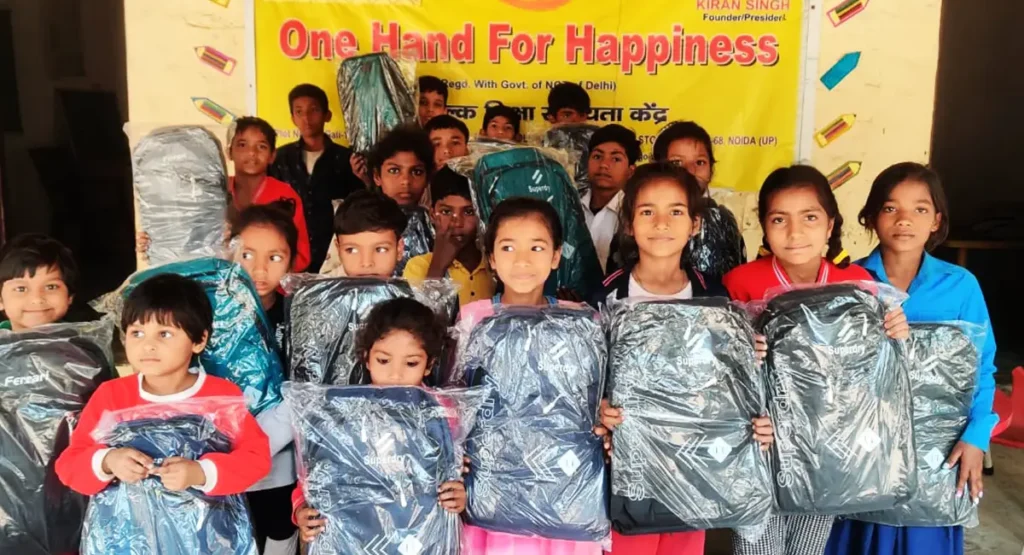
A lesser-known yet profound link exists between nutrition and participation. Many undernourished children lack the energy and enthusiasm needed to engage actively in classes or cultural activities. Recognizing this, several NGOs combine these events with nutritional initiatives such as distributing fruits, healthy snacks, or mid-day meals on practice and performance days.
According to the Global Nutrition Report, malnutrition remains one of the top reasons for reduced school attendance and poor concentration among slum children in India. By ensuring that every child receives nutritious meals, these NGOs make sure that no one is too hungry to dance, act, or learn.
Some centers even use cultural events as platforms for nutritional awareness. Children perform skits on topics like “Healthy Eating” or “Say No to Junk Food,” subtly educating parents in the audience. Thus, learning extends from the stage to the streets, creating a cycle of informed, health-conscious families.
In many slum communities, mothers are the quiet pillars holding households together. Yet, they often remain invisible in discussions about education and empowerment.
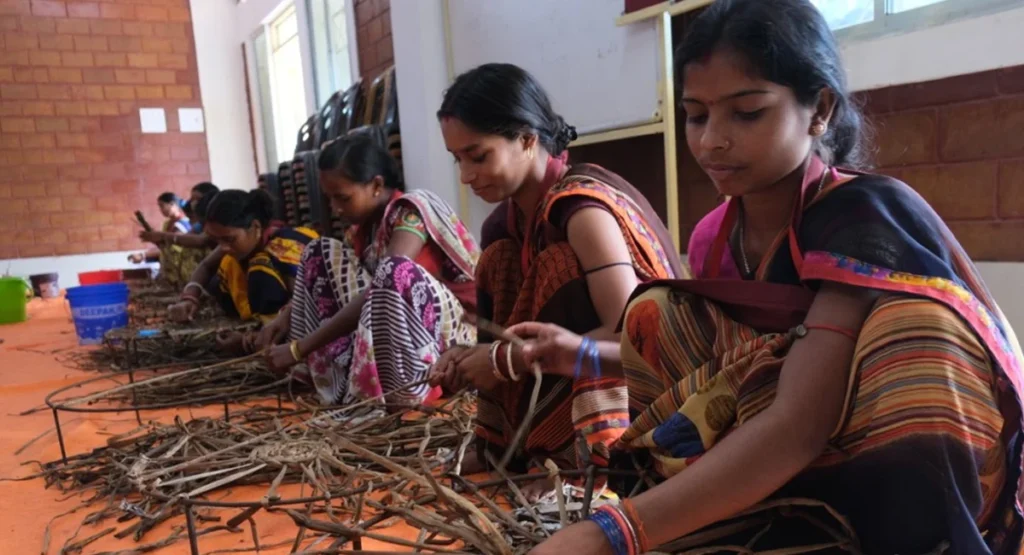
Annual cultural events create spaces for these women to step forward—sometimes as costume makers, choreographers, or even performers. Local NGOs often train mothers in tailoring or crafts, enabling them to stitch uniforms or create props for these events, offering both income and pride.
This intersection of women empowerment and education is transformative. When women participate, their children witness their confidence and involvement, leading to a generational shift in attitudes toward gender roles and learning.
A young girl from a Noida learning center once said,
“My mother stitched my costume for the dance. I never saw her smile like that before.”
Moments like these embody empowerment in its truest form—subtle, emotional, and deeply rooted in shared growth.
Some organizations, like One Hand for Happiness, encourage such collaboration by involving mothers in educational and cultural preparations. This initiative bridges the emotional distance between home and school, strengthening trust and fostering community pride.
Consider the story of Arjun, an 11-year-old from a slum in Noida. He barely spoke during his early months at the education center. His teachers noticed his hesitation and invited him to participate in a play during the annual cultural day. Arjun was reluctant, but with gentle encouragement, he agreed to play a small role.
When the day arrived, he spoke his lines perfectly. The audience cheered. His parents, watching from the back row, were in tears. The next day, Arjun began answering questions in class, volunteering for group work, and showing newfound curiosity.
What changed wasn’t just confidence—it was self-belief.
Across hundreds of such centers, stories like Arjun’s emerge every year. Children once considered shy or “disinterested” bloom when given platforms to express themselves. These experiences carry forward into academics, social behavior, and even aspirations.
Education becomes personal, joyful, and purposeful.
For children who often feel excluded from mainstream society, cultural events provide a sense of belonging. They get to wear costumes, hold microphones, and feel seen—sometimes for the first time in their lives.
These celebrations become more than performances; they are affirmations that their voices matter. Teachers, parents, and volunteers join hands to decorate classrooms, build stages, and rehearse songs together.
In many education NGOs in Noida, these events are designed to highlight themes like:
Each performance reinforces moral and civic values that shape more conscious young citizens. It’s not just art—it’s value-based learning in action.


Leave A Comment