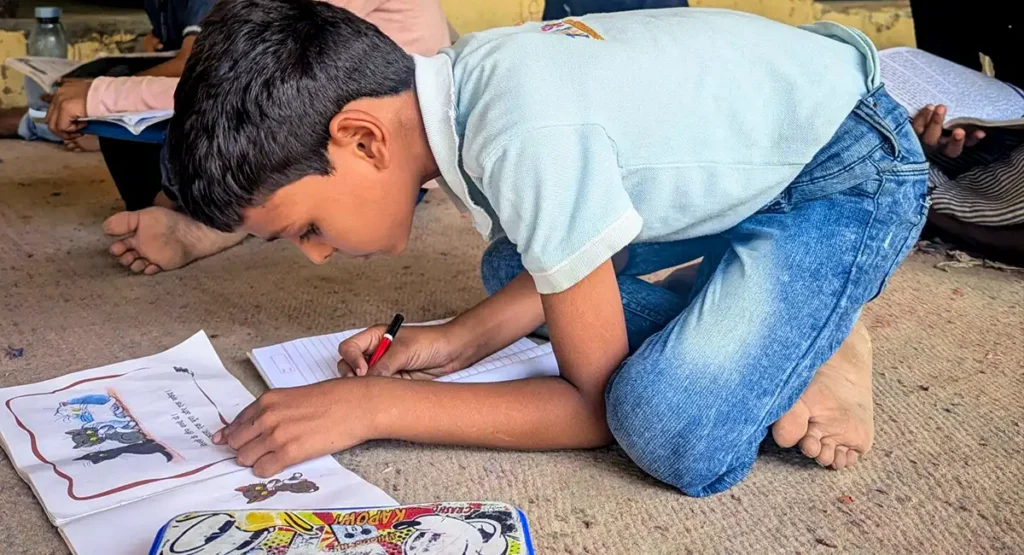
In every corner of India, classrooms hold dreams—of children who want to learn, grow, and build a future beyond the limitations of poverty. But for many underprivileged communities, education does not exist in isolation. A hungry child cannot concentrate in class. A malnourished adolescent girl may skip school due to poor health or lack of menstrual hygiene awareness. A mother struggling to feed her family often sacrifices her children’s schooling in favor of survival.
This is why education and healthcare are inseparable pillars of community development. Increasingly, education NGOs in Noida and other regions are realizing that teaching alphabets is not enough; schools and learning centers must also address nutrition, hygiene, preventive healthcare, and women’s empowerment.
This intersection of education, nutrition, and healthcare is not just a strategy—it is a lifeline. In this blog, we explore how child education NGOs in India are transforming lives by integrating community health into their learning centers, and why empowering women is central to this mission.
The Right to Education Act guarantees free and compulsory education for children in India, yet drop-out rates remain high among underprivileged groups. Health is a silent factor behind these numbers.
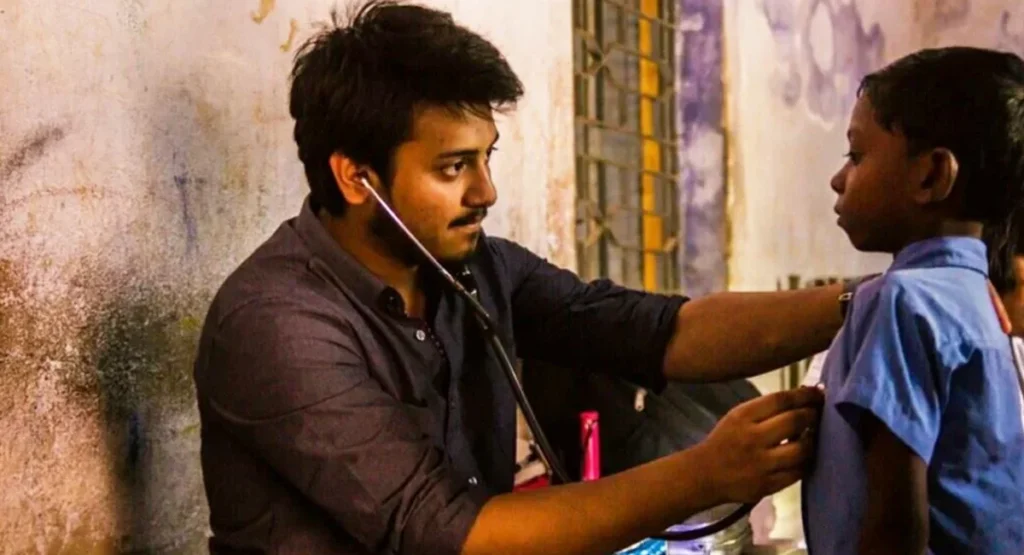
When classrooms ignore healthcare, education becomes incomplete. A hungry stomach, a persistent cough, or the absence of menstrual hygiene facilities can mean the end of schooling for many children.
In rapidly growing urban centers like Noida, the contrast between high-rise buildings and slum settlements is stark. Children in underserved communities often face poor nutrition, inadequate healthcare access, and little support for education. Here, education and health NGOs in Noida have become bridges of hope.
A health education Noida NGO typically introduces basic health awareness programs at learning centers:
Such interventions ensure that learning centers are not just about literacy, but about building healthy habits for life.
A plate of food is often the most powerful incentive for a child to attend school. Mid-day meal programs reduce hunger, increase attendance, and improve concentration. Research by the Indian Human Development Survey found that attendance rates rose by 30% in schools offering mid-day meals. For underprivileged communities, this one intervention often makes the difference between a child staying in class or dropping out.
Rani, a 10-year-old living in a Noida slum cluster, often missed school because she was too weak from skipping meals. When a local kids welfare NGO introduced mid-day meals and free uniforms, her attendance improved drastically. Today, she dreams of becoming a nurse, motivated by the health awareness camps that shaped her early years.
Behind every educated child is often a strong mother. Many NGOs for children in Noida also extend programs to women—teaching them tailoring, stitching, or basic digital skills. These skill-based programs not only increase household income but also reduce the pressure of child labor. When a mother becomes empowered, she prioritizes her children’s education and health.
Education drives are incomplete without focusing on women. Women are caregivers, nutrition gatekeepers, and often the first to sacrifice their own needs for their families. By empowering women through skills and awareness, learning centers create ripple effects in entire communities.
Research shows that every additional year of education for women reduces child mortality by up to 9%. Empowered women do not just uplift themselves; they build healthier, more educated generations.
Across India, community-driven learning centers are reimagining education as a holistic service. A child education NGO in India typically integrates:
These initiatives together create an ecosystem where education and health feed into each other. The classroom becomes a hub not just for knowledge, but for community well-being.
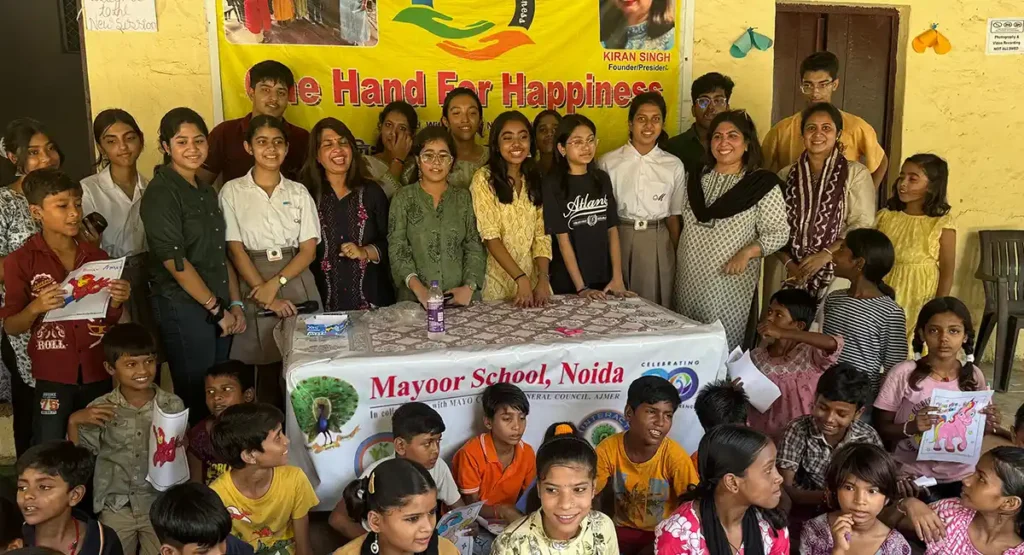
Among the many grassroots efforts, initiatives like One Hand for Happiness learning centers stand out as examples of how community health drives can integrate seamlessly with education. By offering underprivileged children access to both schooling and healthcare awareness, they create spaces where learning feels safe, nourishing, and empowering.
The model is simple yet powerful: teach children to read, feed them nutritious meals, equip them with uniforms and books, and support their mothers with skill-building opportunities. This approach ensures that education does not end at the classroom door—it enters the kitchen, the family, and the community.
Global development research has repeatedly confirmed that education and health are interdependent. The World Bank notes that children who are healthy and well-nourished achieve higher test scores, stay in school longer, and earn more as adults. Conversely, education empowers communities to make informed health decisions—whether about nutrition, sanitation, or maternal care.
When NGOs integrate health with education:
This cycle of empowerment becomes self-sustaining, breaking intergenerational poverty.
While the vision is inspiring, real challenges remain:
Addressing these challenges requires collective effort—government, communities, and NGOs working hand-in-hand.
The intersection of education, nutrition, and women’s empowerment is not just an NGO project—it is a movement. When citizens volunteer, donate books, sponsor meals, or teach a skill, they add bricks to the foundation of a healthier society.
Each contribution—whether small or large—ensures that:
When education meets healthcare, miracles unfold. A child who once came to school hungry now eats a nutritious meal daily. A girl who once dropped out for lack of menstrual care now completes her education with confidence. A mother once bound by poverty now supports her children’s future through skill-based work.
This is the story of underprivileged communities in India, and particularly in cities like Noida, where education NGOs are rewriting the narrative of poverty into one of empowerment. With mid-day meals, health drives, free uniforms, and women’s skill-building programs, learning centers become sanctuaries of change.
And in this change, initiatives like One Hand for Happiness remind us that compassion, when coupled with action, can create ripples of transformation. Because every book given, every meal served, and every woman empowered is not just charity—it is an investment in a brighter, healthier tomorrow.

Leave A Comment