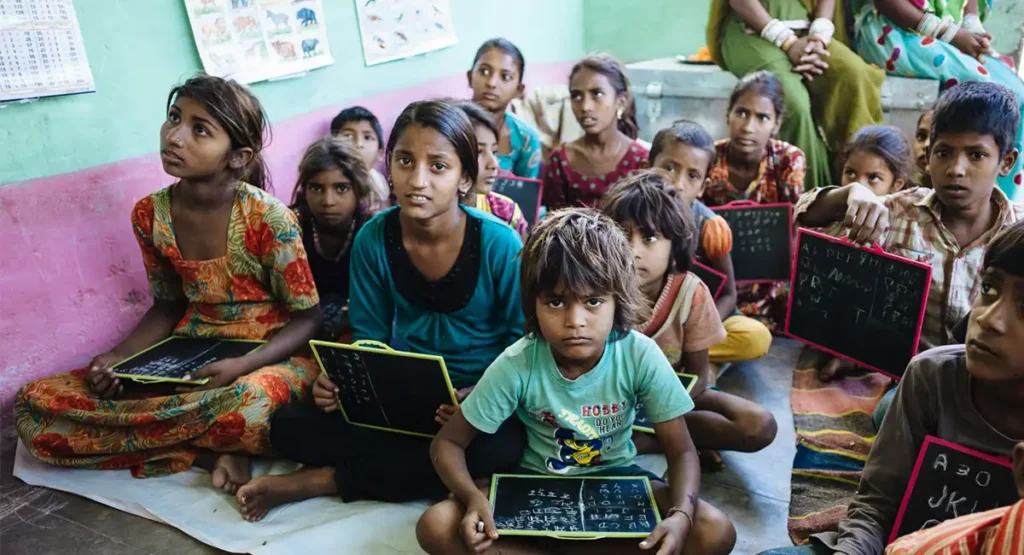
In many underprivileged communities, hope often feels like a luxury. But for countless children, hope starts with something as simple as a school uniform, a nutritious meal, or the feel of a new book in their hands. Educational NGOs are not just teaching lessons—they are rewriting life stories. By combining academic support, nutritional care, and empowerment initiatives, they help communities break free from cycles of poverty, illiteracy, and inequality.
When education is coupled with nutrition and women’s empowerment, the ripple effect can transform entire generations. This holistic approach ensures that children not only attend school but also stay, learn, and thrive—while women gain the skills and confidence to build better futures for their families.
A strong educational foundation is the bedrock for any community’s progress. Yet, millions of children worldwide remain out of school due to poverty, lack of resources, and cultural barriers. Educational NGOs bridge this gap by:
Example: In rural regions where dropout rates were over 50%, introducing free textbooks and weekend remedial classes reduced the rate to under 20% within two years, proving that access and quality together drive retention.
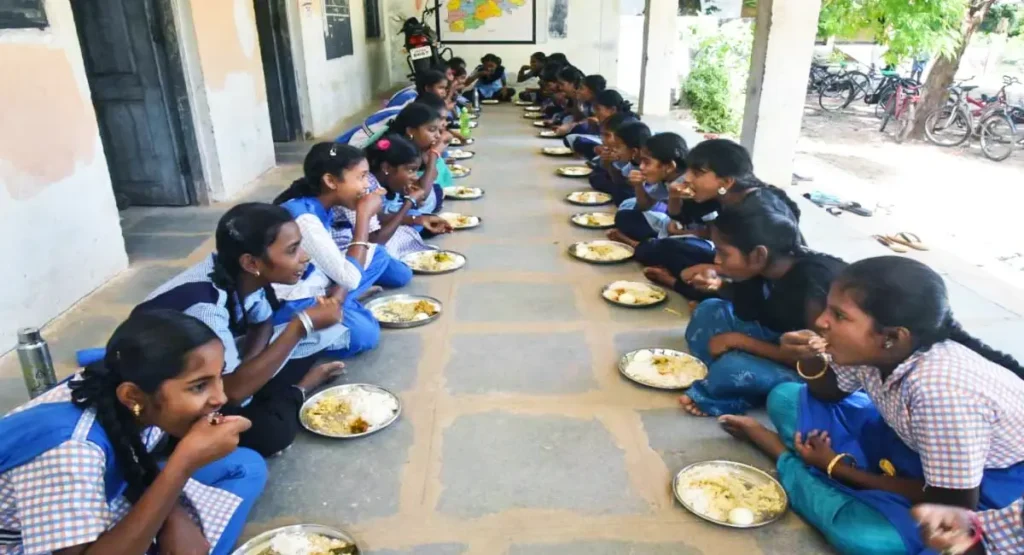
Nutrition is often the silent force behind academic success. A hungry child cannot focus, learn, or participate fully in class. That’s why many NGOs integrate mid-day meal programs into their educational initiatives.
Why Nutrition Matters in Education:
Research by the World Food Programme shows that schools with meal programs see attendance improve by up to 30%, alongside measurable gains in academic performance.
Subtle Impact Highlight: NGOs like One Hand for Happiness understand that education without nutrition is incomplete. By ensuring children receive both, they remove a critical barrier to learning and long-term development.
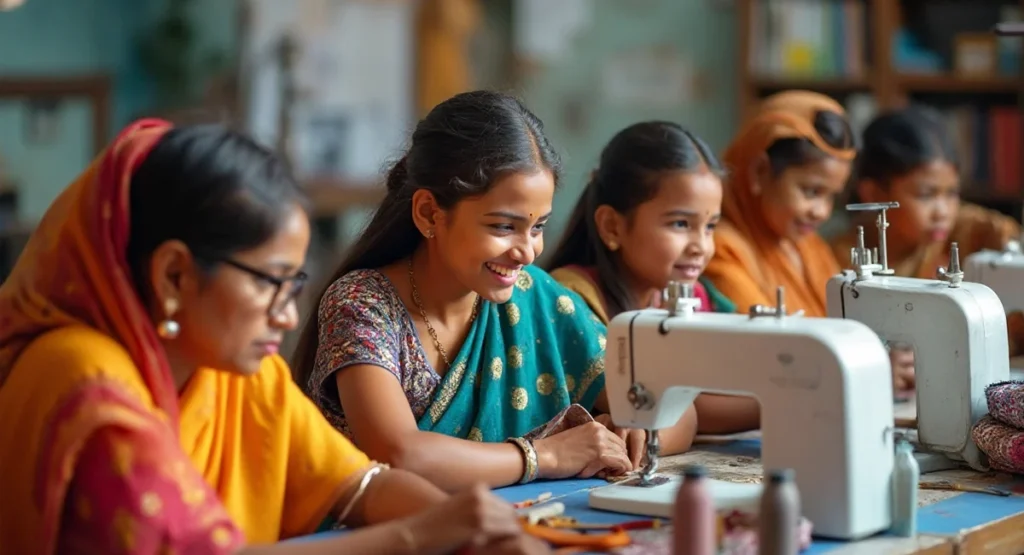
Educational NGOs don’t just focus on children—they recognize that empowering women is key to lasting change. When women gain education and skills, they pass on the benefits to their children and the community at large.
Common Women-Centric Initiatives by NGOs:
Real-World Case: In a semi-urban settlement, women who participated in an NGO-led vocational program saw their household income rise by 35% within a year, enabling them to keep their children in school and afford better nutrition.
An educational NGO’s role extends beyond classroom teaching. A truly impactful initiative integrates multiple layers of support:
| Focus Area | Impact |
| Academic Support | Better literacy and numeracy skills, higher exam pass rates |
| Nutrition & Health | Improved physical well-being, fewer sick days |
| Women Empowerment | Financial independence, stronger family support |
| Community Engagement | Increased trust in education, long-term cultural change |
| Infrastructure & Resources | Safer, more stimulating learning environments |
This 360-degree model is what makes the educational NGO impact not just immediate but sustainable.
Rani’s Journey:
Rani, a 10-year-old from a low-income neighborhood, was on the verge of dropping out to help her mother at home. Through an NGO’s intervention, she received free books, a uniform, and daily meals. Today, she not only excels academically but dreams of becoming a teacher.
Shanti’s Transformation:
Shanti, a mother of three, learned tailoring through a community skills program. She now runs her own small business, earning enough to send all her children to school and provide them with nutritious meals—breaking the poverty cycle for her family.
According to UNESCO:
These statistics show that education + nutrition + women’s empowerment is not just charity—it’s a proven formula for development.
While the educational NGO impact is significant, the journey isn’t without challenges:
Despite these obstacles, committed NGOs continue to adapt—using community involvement, local partnerships, and volunteer networks to sustain momentum.
Individuals and businesses can contribute in multiple ways:
Even small contributions—like providing a month’s worth of meals for one child—can create a lifelong impact.
A child in school today becomes the citizen, leader, and change-maker of tomorrow. But for education to truly uplift, it must be accompanied by the basic necessities that enable learning—nutrition, safety, and emotional support.
By empowering women, we ensure that these benefits are passed on to the next generation, creating a cycle of opportunity instead of poverty.
The work of educational NGOs, from providing underprivileged support to fostering community upliftment, is not just about improving individual lives—it’s about shaping entire societies.
Hope is not built overnight. It grows through consistent efforts—one meal, one book, one skill at a time. Educational NGOs are the architects of this hope, laying the groundwork for children’s futures and community-wide transformation.
When we invest in a child’s education, fuel their growth with proper nutrition, and empower their mothers with skills, we are not just helping individuals—we are rewriting the destiny of entire communities.
The next time you think about contributing to change, remember: your time, resources, or voice can be the spark that turns hope into reality. And somewhere in a small classroom, a child’s future is waiting for that spark.

Leave A Comment