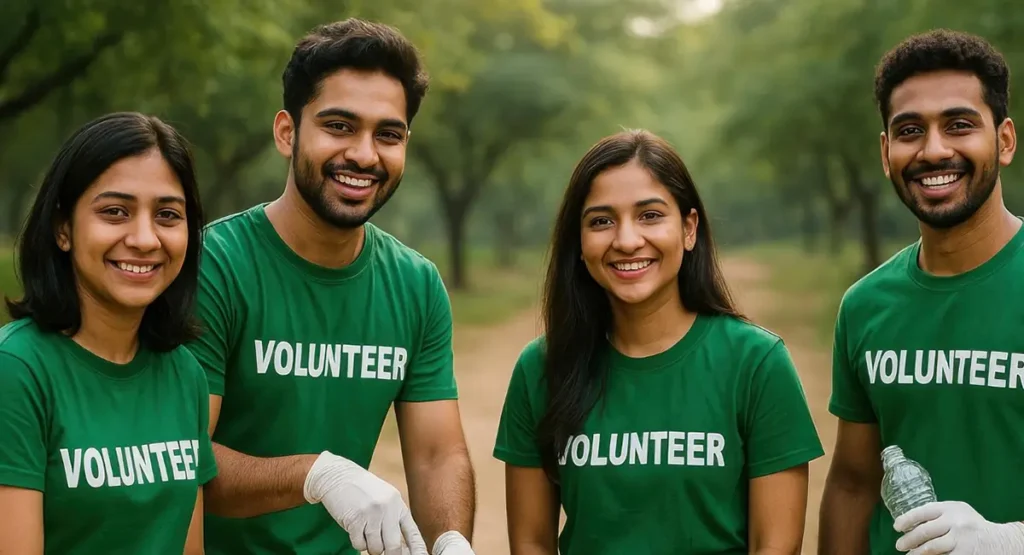
A quiet but powerful movement is transforming India’s social fabric—the rise of youth volunteering. Once seen as a niche interest or an extracurricular activity, volunteering is now a cultural phenomenon, driven by passion, empathy, and a desire to contribute meaningfully.
From bustling metros like Noida and Delhi to smaller cities and rural belts, Indian youth are stepping beyond digital activism and taking real-world action. They’re spending weekends teaching underprivileged children, organizing food drives, supporting menstrual hygiene awareness, and mentoring young girls in slum communities.
This shift isn’t just reshaping young lives—it’s redefining India’s approach to social change. At the heart of this transformation lies the intersection of education, nutrition, and women empowerment, where volunteering makes the most enduring impact.
Several factors explain this surge in youth volunteering across India:
Digital platforms have amplified the stories of underprivileged communities. From photo essays about children studying under streetlights to videos of young women learning coding in slums, content travels fast—and so does empathy.
More and more young Indians are prioritizing purpose over paychecks. According to a 2022 report by the Indian Youth Foundation, over 68% of urban college students said they were willing to volunteer without pay to contribute to a cause they believed in.
NGO internship opportunities in India now often include structured programs with mentorship, training, and field exposure. This not only boosts resumes but offers hands-on experiences in areas like education, healthcare, and rural development.
The COVID-19 crisis laid bare the gaps in India’s health, nutrition, and education systems. Many young people were moved to act—distributing rations, tutoring kids online, or helping women artisans go digital.
In India’s underserved communities, especially urban slums, volunteering has had its greatest impact where education, nutrition, and women empowerment overlap. Let’s explore how.
For many children in informal settlements, going to school isn’t a given. Poverty, migration, domestic responsibilities, and a lack of documents often cut short their education.
But when young volunteers show up—whether to teach, mentor, or simply listen—things begin to change.
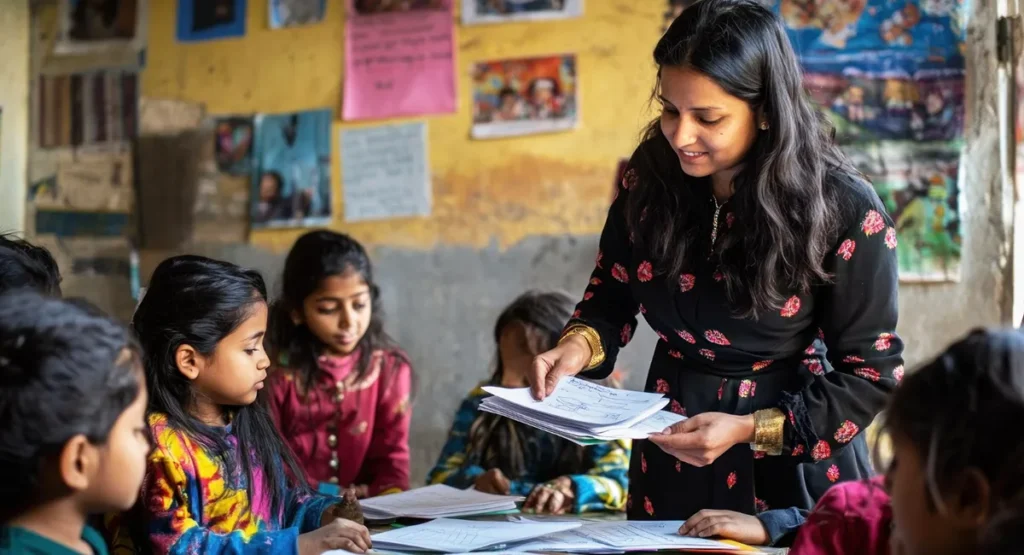
From Noida to Bangalore, young people are joining teaching volunteer programs that operate in parks, bastis, and makeshift classrooms. Some teach basic literacy, others tutor in math or English. Their presence makes learning joyful and consistent.
Take Ritika, a college student from Noida who volunteers every weekend with a local child-focused initiative. “I started by helping one child with reading. Now I teach a group of 12. I didn’t realize how many kids never get individual attention,” she shares.
Volunteering doesn’t always mean formal teaching—it could be storytelling, art, music, or even sports. These engagements boost children’s creativity and confidence, paving the way for holistic learning.
A hungry child can’t concentrate. A malnourished girl is likely to drop out early. Nutrition is education’s backbone—and many NGOs in Noida for volunteering now actively engage youth in tackling this issue.
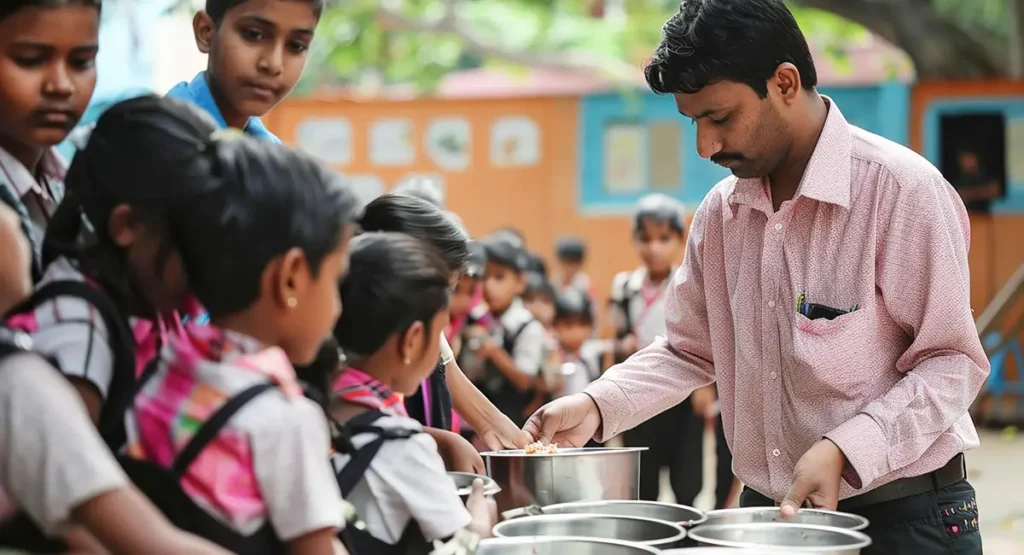
Some volunteers help cook or distribute mid-day meals. Others raise funds to provide dry ration kits, sanitary napkins, and hygiene products to families. Many assist in creating kitchen gardens in slum schools—teaching children to grow their own vegetables.
For instance, during the summer heat wave in Delhi NCR, groups of youth volunteers distributed buttermilk and bananas at construction sites and railway crossings, ensuring laborers and their families had some relief.
These acts of kindness aren’t just charity—they’re education. Young people learn about local food systems, malnutrition statistics, and sustainable practices while forming deep bonds with communities.
Empowering women—especially in low-income urban communities—requires time, trust, and sustained effort. This is where youth volunteering in India brings freshness and energy.
Young women volunteers often connect naturally with underprivileged girls and women. They run sessions on menstrual hygiene, reproductive rights, self-defense, and self-esteem. Others offer digital literacy, language coaching, or job-readiness training.
Take Aman, a design student who taught a group of slum women how to use Canva and social media to market their handmade bags. With minimal resources, they built a small online store. “I taught them tech—but they taught me resilience,” he says.
Many volunteers also accompany women to local health centers or help them fill forms for government schemes—small interventions with life-altering results.
To understand the depth of change, here are a few true-to-life stories:
In a sector of Noida near the expressway, a group of college students turned an abandoned space under a flyover into a weekend school. Every Sunday, they gather with slates, books, and snacks, teaching 40+ children—most of them ragpickers’ kids.
Volunteers take turns teaching, storytelling, and organizing hygiene checks. One volunteer leads a yoga session. Another reads out science stories. The children receive uniforms and a meal—often funded through small online campaigns.
A youth-led initiative in Delhi’s Govindpuri slum began using dance therapy to help migrant adolescent girls express emotions and overcome trauma. Volunteers trained in dance and psychology facilitated weekly sessions. Today, many of the girls now perform at community events, reclaiming their confidence.
With its mix of urban development and pockets of underserved communities, Noida has become a hub for volunteer activity. Students from Amity, Shiv Nadar, and Delhi University, as well as working professionals, often search:
The city offers it all—child NGOs in Noida, women-led initiatives, slum education projects, and healthcare drives. From daily volunteering to short-term internships and long-term fellowships, the best NGOs in Noida are actively cultivating a new generation of changemakers.
Whether you’re a student, a homemaker, or a working professional, there’s a way to plug into this movement:
Are you good at teaching, organizing, designing, fundraising, or simply listening?
Do you want to help children learn? Support women? Distribute meals? Promote sustainability?
Use keywords like “ngo in Noida for volunteering” or “teaching volunteer program in India.” Check NGO websites, social media, and volunteering platforms.
Write a short email expressing your interest. Many NGOs appreciate proactive communication.
Even a few hours a week can create real impact. Consistency matters more than duration.
The benefits of volunteering aren’t just social—they’re deeply personal:
While youth energy is remarkable, the volunteer ecosystem in India needs strengthening:
By addressing these gaps, India can cultivate a deeper, more sustainable culture of civic engagement.
What we’re witnessing is not just a trend—it’s a transformation.
The rise of volunteering culture in India, especially among the youth, signals a powerful shift in societal values. Young Indians are no longer waiting for top-down change. They’re starting small—teaching a child, feeding a family, supporting a woman, building a future.
And as they uplift others, they uplift themselves—discovering strength, stories, and skills that no classroom or job can offer.
If you’re wondering where to begin, perhaps the best answer is simple:
Just start.
One child.
One meal.
One hour.
And let your journey into the heart of India begin.


Leave A Comment